
-
About Us
Why Choose Us?The company possesses advanced capabilities in mold design, injection molding, and automated assembly, supported by a professional quality inspection team to ensure product reliability. A dedicated design team continuously drives product innovation, providing customers with high-quality spray solutions.
 Coming From China, Marketing To The World.
-
Products
-
News
 English
 Français
 русский
 Español
Aerosol vs Spray: Key Differences, Packaging Choices, and Practical Buying Tips
Content
- 1 The Short Answer: Aerosol and Spray Solve Different Problems
- 2 How Each System Creates Droplets
- 3 Performance Differences That Buyers Notice
- 4 Packaging Choices for Non-Aerosol Sprays
- 5 When an Aerosol Still Makes Sense
- 6 Cost, Fill Line, and Supply Chain Considerations
- 7 Matching the Dispenser to the Product Type
- 8 Quality Checks Before You Commit
Two quotations land on a packaging buyer's desk. One is a pressurized aerosol can; the other is a mechanical spray bottle. On a shelf, both promise a mist, but the filling line, shipping classification, component stack, and user experience are not the same. Choosing the wrong one can add months to a launch, raise logistics costs, or create a product that clogs after two weeks on a bathroom counter.
My conclusion up front: choose aerosol only when the formulation truly needs propellant-driven, continuous atomization and the brand can manage the regulatory and logistics load. For most cosmetics, personal care, sanitizers, and household liquids, a mechanical sprayer is the more controllable, shippable, and cost-effective route. The real work starts with droplet size, viscosity, dosage, and component compatibility.
The Short Answer: Aerosol and Spray Solve Different Problems
In everyday language, people say "aerosol" for a metal can with a valve and propellant, and "spray" for a bottle with a pump or trigger. Technically, an aerosol is any suspension of fine liquid or solid particles in air, so a pump sprayer also creates an aerosol mist. In packaging procurement, the useful distinction is the dispensing force: pressurized propellant versus mechanical force from a pump, trigger, or crimp pump.
An aerosol delivers a continuous mist until the can is empty. A mechanical sprayer usually needs priming, and its output can change as the bottle empties. Aerosols often cost more per unit, ship under dangerous-goods rules, and are harder to refill. Mechanical sprays are simpler to fill, easier to recycle or refill, and more flexible across fill volumes. However, their droplet consistency depends heavily on pump engineering, orifice size, dip tube, and formula viscosity.
The decisive question is not which format is better, but which dispensing force matches the formula, channel, and regulatory reality. A perfume can work beautifully with a crimp pump. A dry shampoo or spray paint may need a propellant. A hand sanitizer usually performs better with a trigger or fine mist pump than with an aerosol can.
How Each System Creates Droplets
The table below compares the practical packaging factors that matter during development, filling, and shipping.
| Decision factor | Aerosol | Mechanical spray |
|---|---|---|
| Pressure source | Propellant gas or liquefied gas | Manual pump, trigger, or crimp pump |
| Primary components | Can, valve, actuator, dip tube | Bottle, dip tube, pump engine, actuator, closure |
| Droplet formation | Propellant expansion plus valve and nozzle design | Mechanical shear, orifice, and pump chamber |
| Typical mist behavior | Fine, continuous, consistent until pressure drops | Fine to coarse depending on pump and orifice |
| Formulation fit | Low-viscosity liquids, alcohols, solvents, some emulsions | Broad range, including higher-viscosity lotions with suitable pumps |
| Fill process | Pressurized crimping, propellant fill, safety controls | Atmospheric fill, usually simpler and faster |
| Shipping | Often regulated as dangerous goods | Generally non-hazmat unless the formula itself is regulated |
| Refill and recycling | Harder to refill; canister recycling varies by market | Easier for mono-material, refill, and recyclable designs |
Performance Differences That Buyers Notice
Droplet Size and Coverage
Aerosol valves can create very fine droplets because propellant expansion adds energy at the nozzle. Mechanical fine mist sprayers usually produce droplets from tens to around 100 microns, depending on orifice, pump chamber, and formula. Perfume-grade pumps can be much finer, but they are less tolerant of high viscosity than lotion pumps. If coverage area matters more than precision, aerosol may win. If controlled placement matters more, a mechanical sprayer is often better.
Spray Pattern and User Control
Trigger sprayers let users choose a stream or mist and adjust distance. Pump sprays deliver a repeatable dose or a short burst. Aerosols offer continuous output without priming, but the user cannot easily change the pattern. Over-spray can be higher with aerosols, especially in indoor use, which affects safety, inhalation, and surface damage.
Viscosity and Formulation Limits
Viscosity is a common source of late-stage failure. A thin toner may pass a fine mist test, while a body lotion needs a lotion pump with a larger dosage. Aerosols depend on propellant compatibility and can separate, foam, or clog if the formula is not designed for pressurized delivery. Mechanical systems are more forgiving, but they still need compatibility testing with gaskets, springs, and dip tubes.
- Thin liquids: fine mist sprayer, crimp pump, or aerosol.
- Lotions and gels: lotion pump, treatment pump, or airless bottle.
- Foaming cleansers: foam pump, not a standard mist sprayer.
- Household cleaners: trigger sprayer or high-output pump.
Packaging Choices for Non-Aerosol Sprays
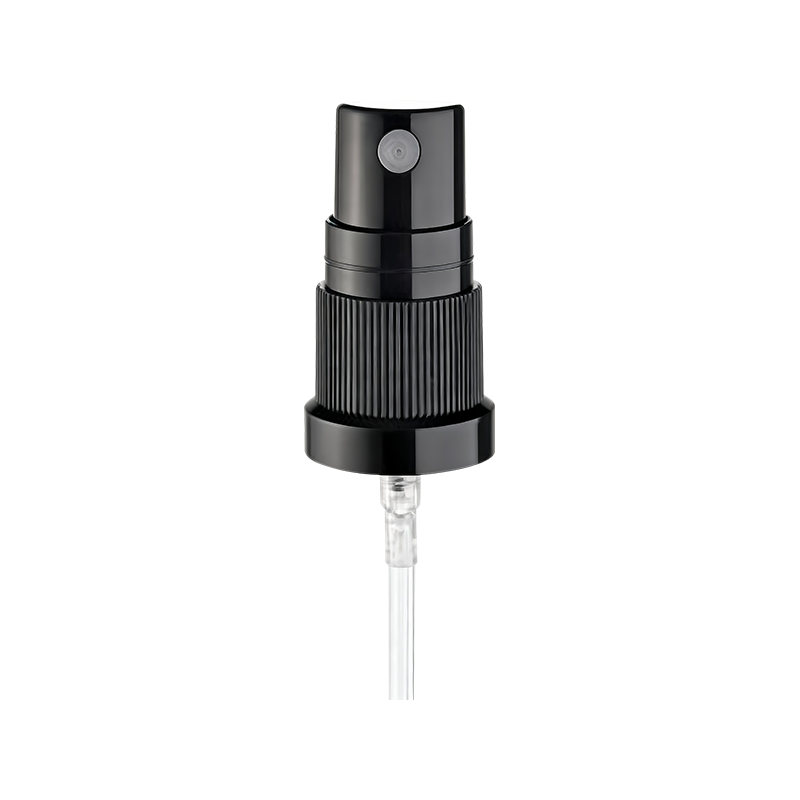
Non-aerosol spray performance is a component system, not just a bottle. A fine mist sprayer combines the pump engine, actuator, closure, dip tube, and bottle neck. Closure sizes such as 18/410, 20/410, and 24/410 change the actuator options and fill-line compatibility. Dip tube length must match bottle height within a few millimeters; a tube that touches the bottom can restrict flow, while one that is too short leaves product behind.
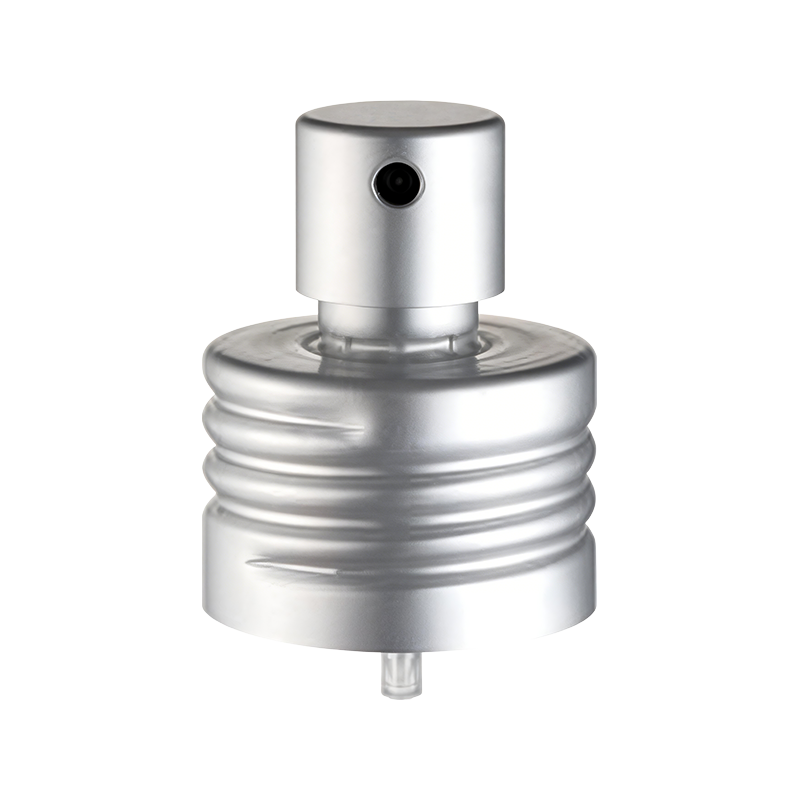
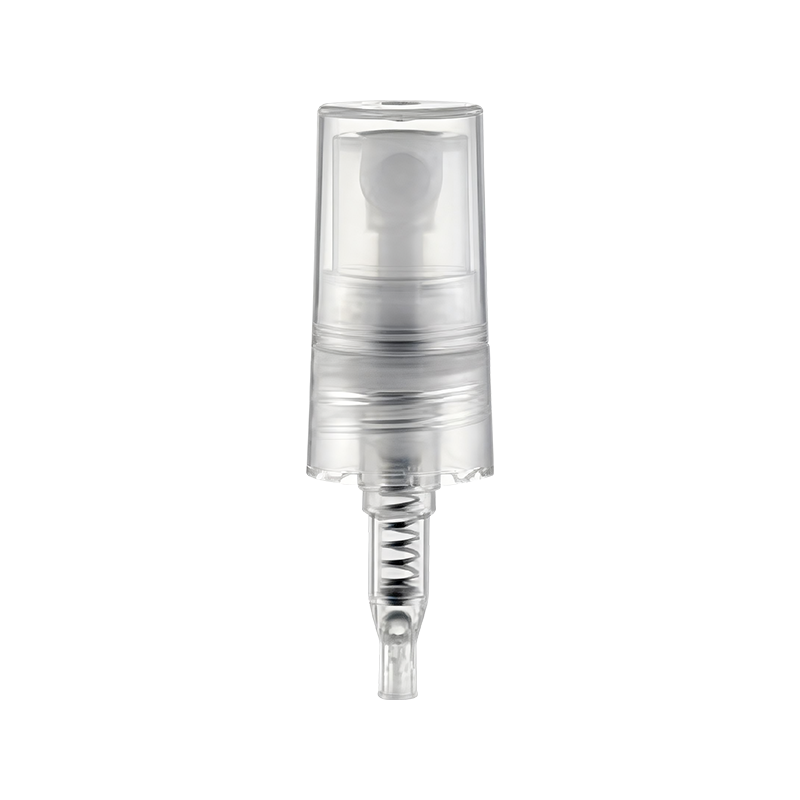
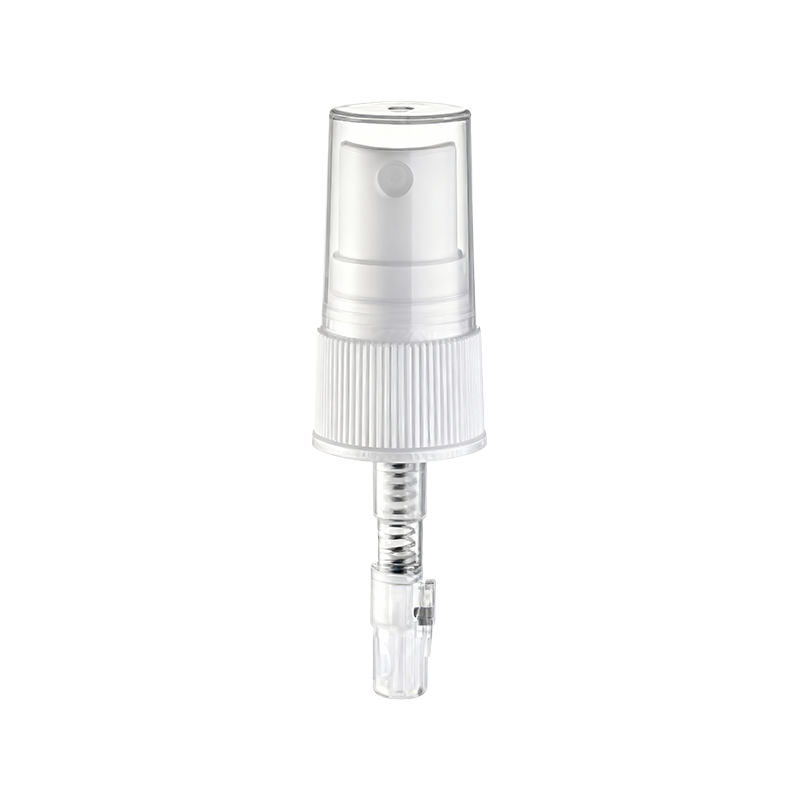
For brands exploring mechanical mist options, a fine mist sprayer guide can help clarify orifice and dosage choices. A recyclable all-plastic mist sprayer can also support mono-material packaging claims, which matters in markets with extended producer responsibility fees.
 0.12CC All Plastic Recyclable Mist Sprayer1. The GY-608A 0.2CC All Plastic Recyclable Mist Sprayer is designed for eco-friendly fragrance, personal care, and pharmacy packaging, combining sustainable materials...View Product →
Crimp pumps are another non-aerosol route. They are common in fragrance because they deliver a fine, controlled mist without propellant. The trade-off is that the bottle neck and pump must be matched precisely, and filling usually requires crimping equipment.
When an Aerosol Still Makes Sense
Aerosols remain strong for continuous delivery, high coverage, and formulations that cannot be pumped. Dry shampoo, spray paint, insecticide, some medical topicals, and continuous sunscreen sprays rely on propellant-driven atomization. Aerosols also work well when the user needs to spray at an awkward angle or cover a large area quickly.
- Continuous output without priming or pumping.
- Very fine droplets and broad coverage from a valve and actuator.
- Foam, stream, and dry spray options through valve selection.
- Good fit for products where propellant compatibility is already proven.
The costs are real: propellant, pressure-rated cans, valve crimping, safety testing, flammable storage, and dangerous-goods shipping. If a brand lacks aerosol filling capability or cannot manage those requirements, a mechanical sprayer is usually the faster path to market.
Cost, Fill Line, and Supply Chain Considerations
Unit cost is only one line in the quotation. Aerosol costs include the can, valve, actuator, propellant, crimping, pressure testing, and regulated freight. Mechanical spray costs include the bottle, pump or trigger, closure, dip tube, and atmospheric filling. In many B2B projects, the mechanical route has lower tooling and logistics complexity, especially for smaller volumes.
- Define dosage tolerance before quoting. A 1.3cc pump may vary by a small fraction in production, and viscosity changes that window.
- Confirm closure and neck finish. A 24/410 pump will not fit a 20/410 bottle without an adapter or new mold.
- Test dip tube cut length. A few millimeters can affect priming, output, and residual product.
- Check shipping classification. Aerosols may require UN packaging, limited-quantity rules, or special warehousing.
- Plan for refill or recycling claims. Mono-material pumps and refillable bottles are easier to document than mixed-material aerosols.
A lower component price can disappear quickly if the filling line slows down or the formula needs reformulation. Ask for a line trial with the actual formula, not water.
Matching the Dispenser to the Product Type
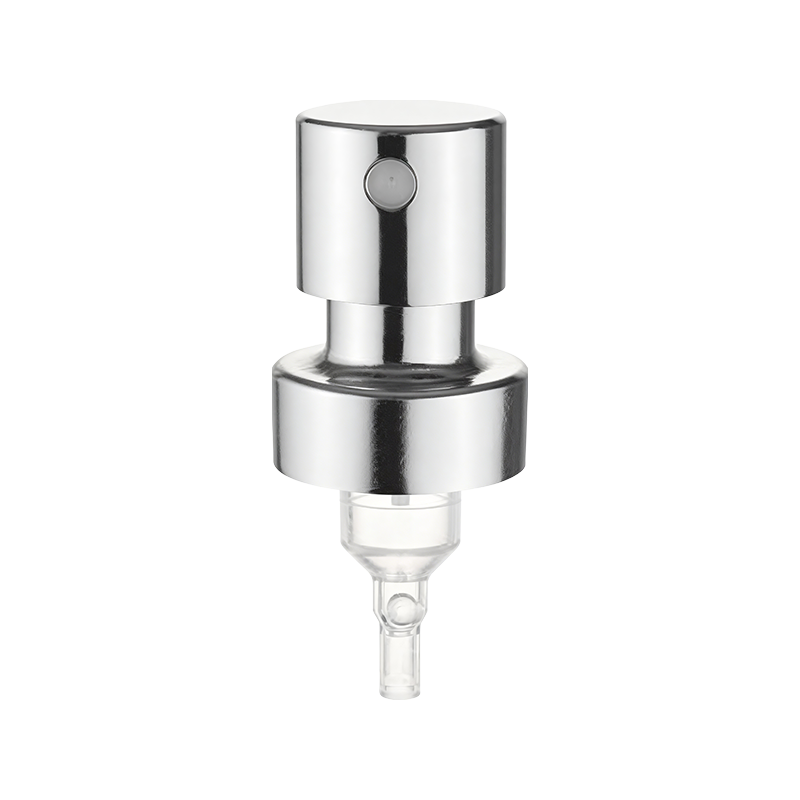
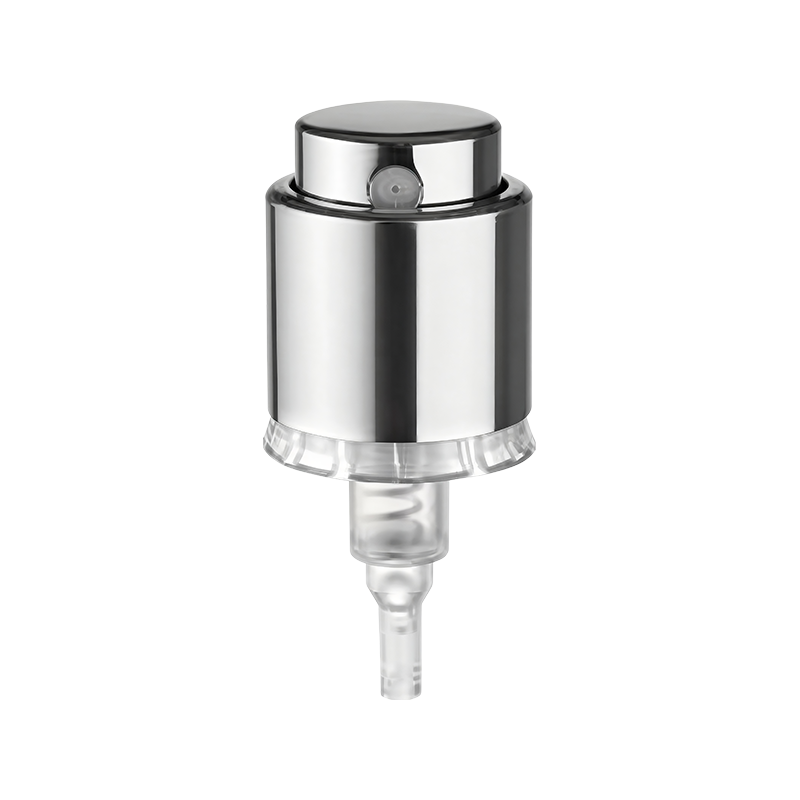
Perfume and fragrance usually favor a crimp pump or fine mist sprayer because the formula is thin and the user expects a precise, elegant mist. A 06cc aluminium crimp-on perfume sprayer pump is a common reference point for this category because it combines a compact dosage with a metal finish and a secure crimp connection.
 0.06CC Aluminium Crimp On Perfume Sprayer Pump1. Custom Fit: Choose from three sizes—15mm, 18mm, and 20mm—to ensure the perfect fit for your bottles, enhancing the versatility of your packaging solutions.View Product →
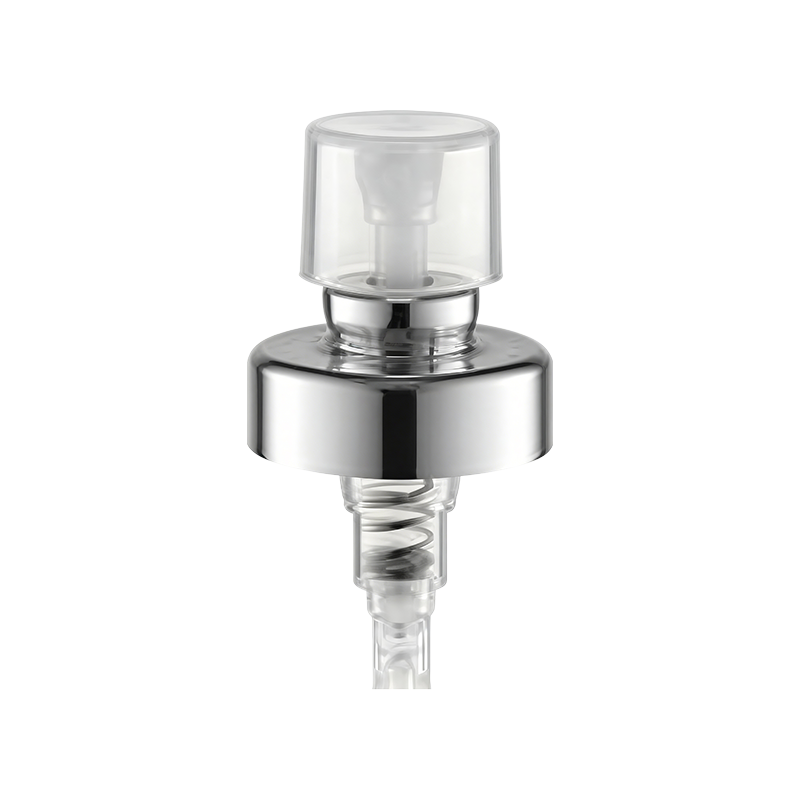
Hand sanitizer and household cleaners often need a trigger sprayer or mini trigger. These products may contain alcohol, surfactants, or disinfectants that attack poor-quality seals. A plastic sanitizer mist trigger sprayer should be tested for chemical compatibility, leak resistance, and spray pattern after repeated use.
 Plastic Sanitizer Mist Trigger Sprayer1. Size Available: Available in 24mm, offering a standard size that fits a variety of liquid containers for both personal and commercial use.View Product →
Skincare toners, facial mists, and hair care products sit between these poles. They may use fine mist sprayers with 12cc or 18/410 necks, all-plastic recyclable versions, or aluminium finishes for premium positioning. Viscosity, alcohol content, and target droplet size should drive the final choice.
Quality Checks Before You Commit
A dispenser that works in a water test can still fail with alcohol, essential oils, or preservatives. Before approving a component, run a structured validation plan that reflects real filling and use conditions.
- Compatibility test: soak gaskets, springs, dip tubes, and actuators in the formula for the expected shelf life.
- Leak and vacuum test: verify no seepage at the closure, crimp, or valve after temperature cycling.
- Priming test: count strokes to first spray and confirm consistent output after storage.
- Dosage test: measure output across the first, middle, and last portions of the bottle.
- Spray pattern test: check droplet size, angle, and coverage at the intended distance.
- Drop and shipping simulation: confirm the package survives transport without actuation or leakage.
For aerosols, add valve crimp dimensions, pressure checks, and flame or flammability review. For mechanical sprays, focus on spring force, gasket swell, dip tube fit, and actuator return.
Choose aerosol when the formula needs propellant-driven continuous atomization, broad coverage, and a proven pressurized filling path. Choose spray when you need mechanical control, lower logistics complexity, refill or recycling potential, and a component system that can be tuned to viscosity and dosage.
The best decision is rarely made on the word "spray" alone. It comes from matching the dispensing force to the formula, the fill line, the shipping lane, and the user's hand. If you are specifying a non-aerosol sprayer, share your viscosity, target droplet, fill volume, and closure size early. Contact GreenYard Tools to review pump, trigger, and bottle options before you commit to tooling.
-
Roll On Bottles: Types, Refill Guide, and Packaging Buying Tips for Your Brand
The first sample rolled smoothly, the second clicked, and the third leaked after ten presses. Three...
-
What Is Perfume Spray? How Atomizers Work, Mist Types and Packaging Basics
Press the actuator on a fragrance bottle once and a metered dose of liquid, usually between 0.05 an...
-
Trigger Sprayer Guide: How It Works, Types & Buying Tips
What Is a Trigger Sprayer A trigger sprayer is a mechanical pump closure mounted on a bottle neck t...
-
Spray Bottles Explained: Choosing the Right Fine Mist Sprayer
What Makes a Good Spray Bottle A good spray bottle depends almost entirely on the quality of its pu...
Copyright © GreenYard Tools Co.,ltd. All Rights Reserved.
Personal Care Packaging Manufacturer Custom Perfume Sprayers Factory