
-
About Us
Why Choose Us?The company possesses advanced capabilities in mold design, injection molding, and automated assembly, supported by a professional quality inspection team to ensure product reliability. A dedicated design team continuously drives product innovation, providing customers with high-quality spray solutions.
 Coming From China, Marketing To The World.
 -
Products
-
News
 English
 Français
 русский
 Español
What Is a Fine Mist Sprayer?
Content
- 1 How a Fine Mist Sprayer Works in Cosmetic Packaging
- 2 Types of Fine Mist Sprayers Used in Cosmetics
- 3 Key Performance Specifications for Cosmetic Fine Mist Sprayers
- 4 Matching the Right Fine Mist Sprayer to Your Cosmetic Formula
- 5 Material and Sustainability Considerations for Cosmetic Brands
- 6 What Cosmetic Buyers Should Ask Their Sprayer Supplier
- 7 Conclusion
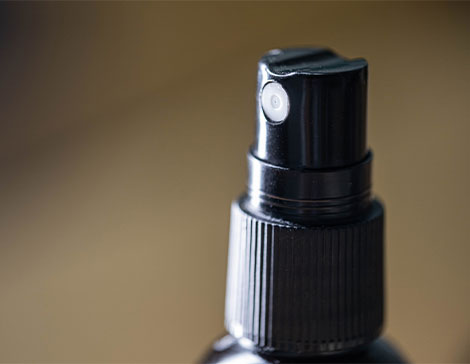
A fine mist sprayer is a cosmetic packaging component designed to atomize liquid formulas into ultra-fine, evenly distributed droplets — typically between 30 and 100 microns in diameter — delivering a lightweight, non-dripping mist with every press. In cosmetic packaging, it is the preferred dispensing solution for facial toners, setting sprays, facial mists, perfumes, hair care mists, and body sprays. The fine mist sprayer transforms a standard liquid formula into a sensorial, skin-friendly application experience, directly influencing how consumers perceive a product's quality and efficacy.
For cosmetic brands, contract manufacturers, and packaging buyers, understanding what defines a high-performance fine mist sprayer — and how to specify one correctly — is essential to delivering a finished product that meets both performance standards and market expectations.
How a Fine Mist Sprayer Works in Cosmetic Packaging
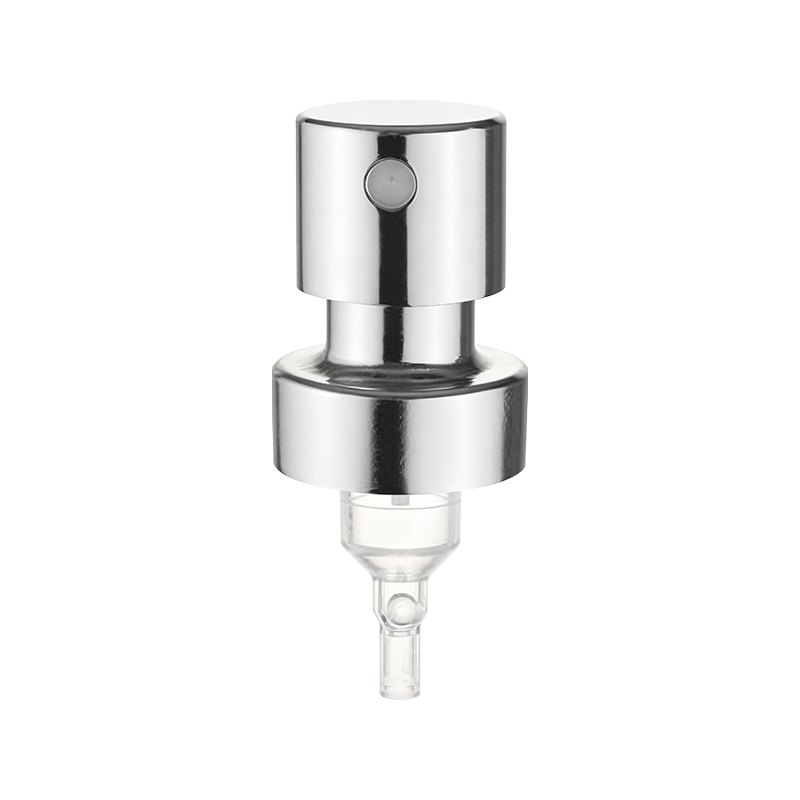
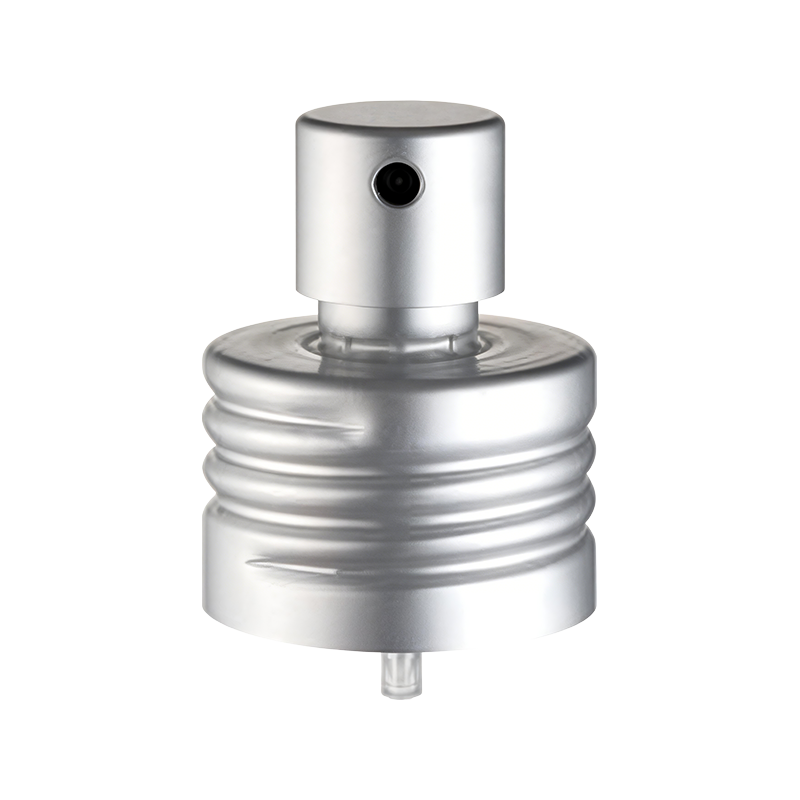
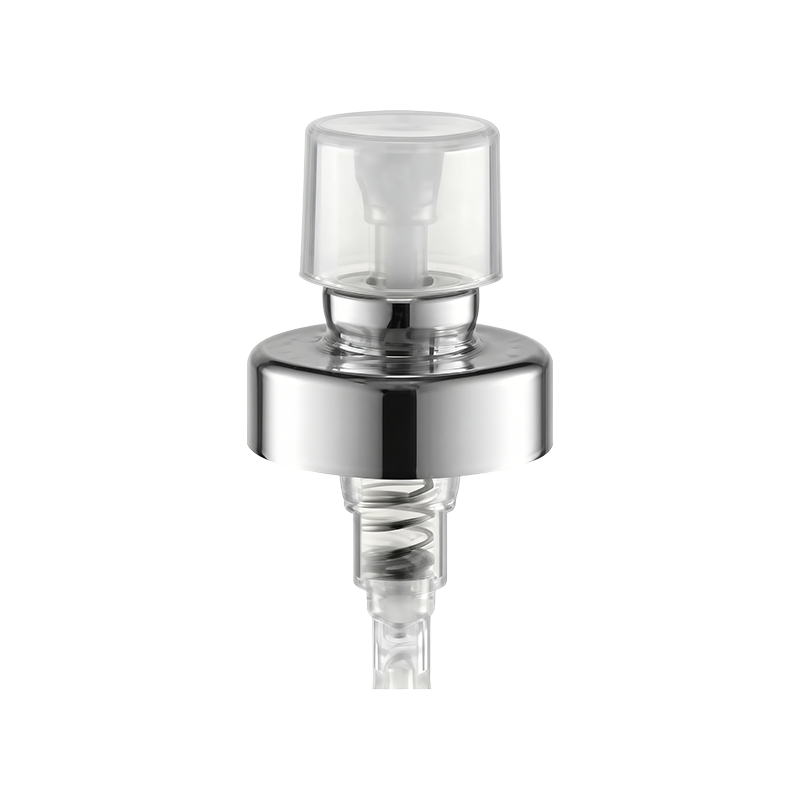
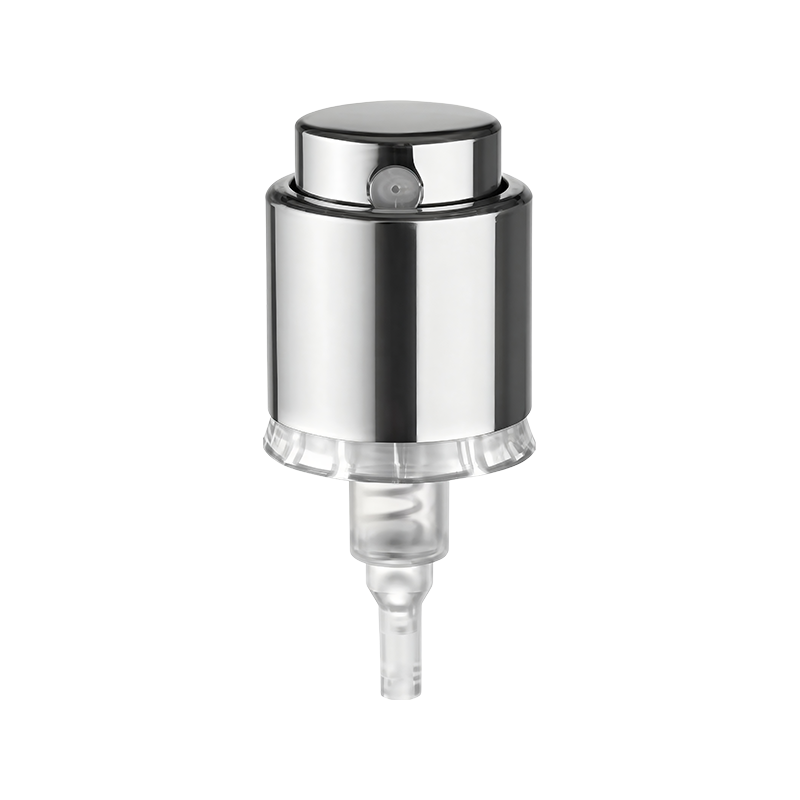
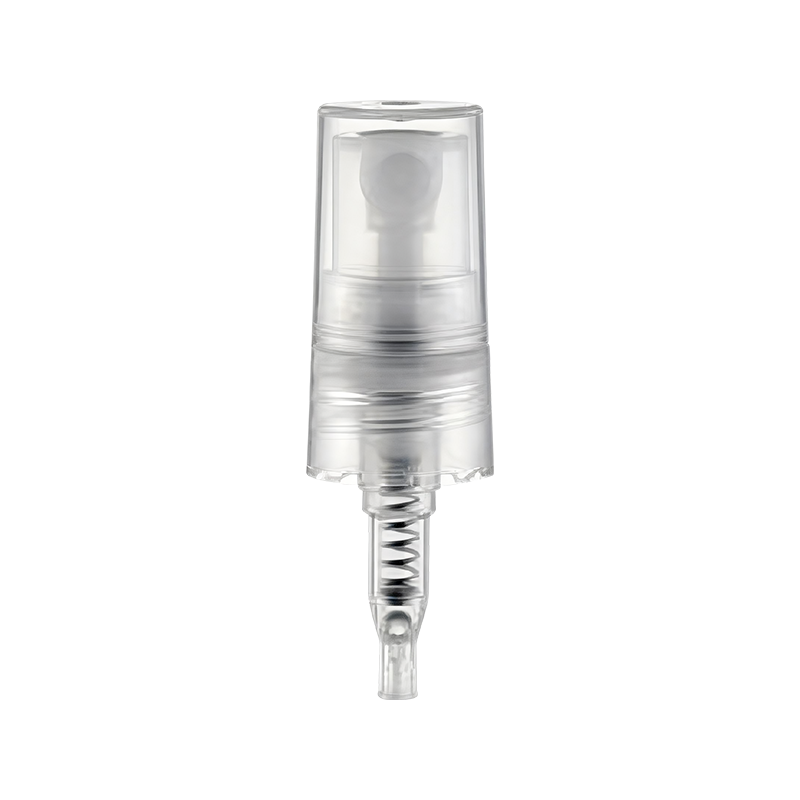
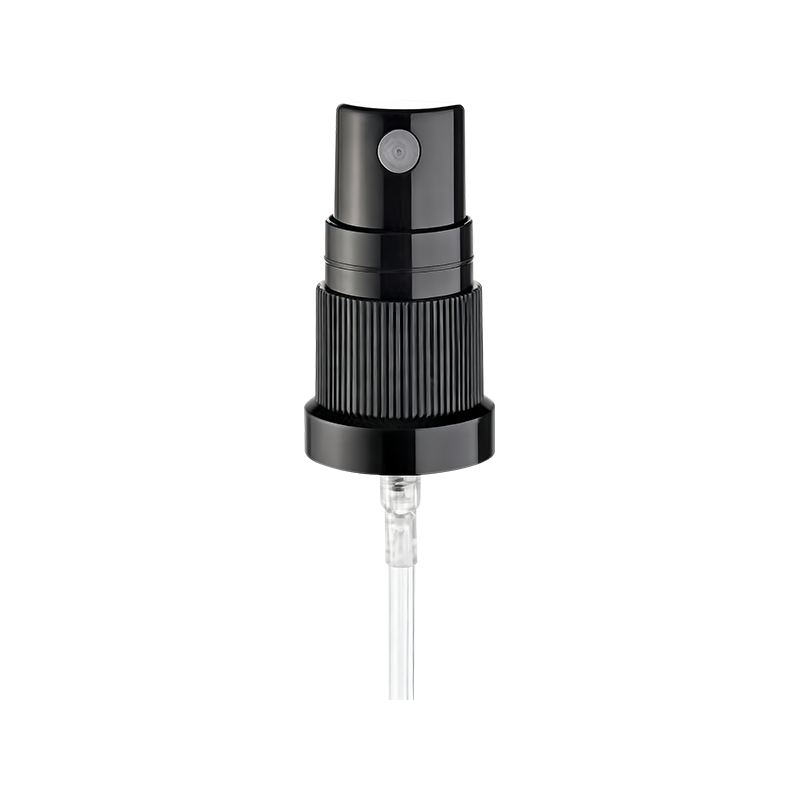
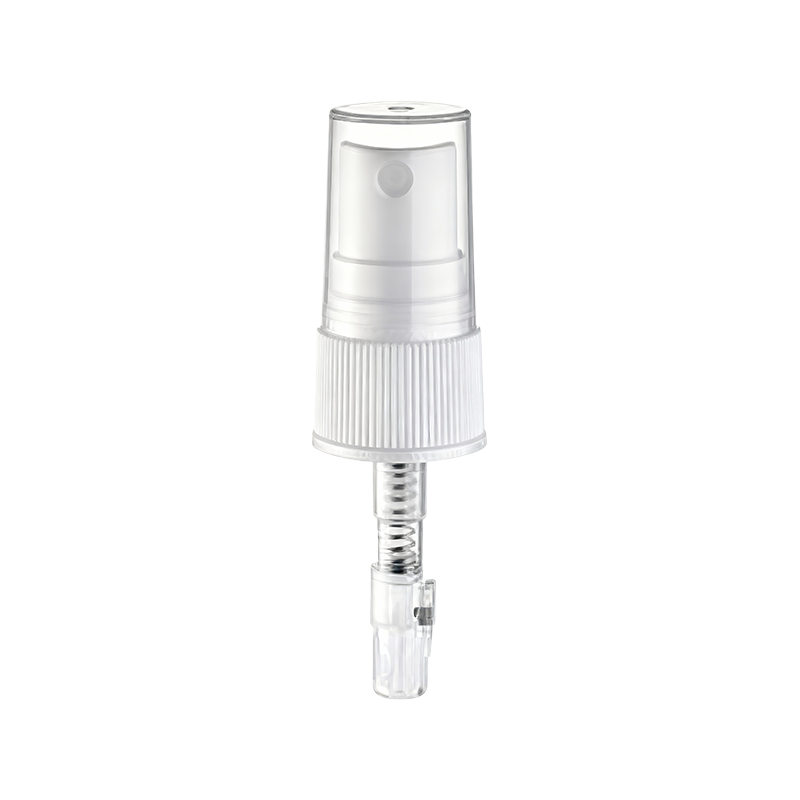
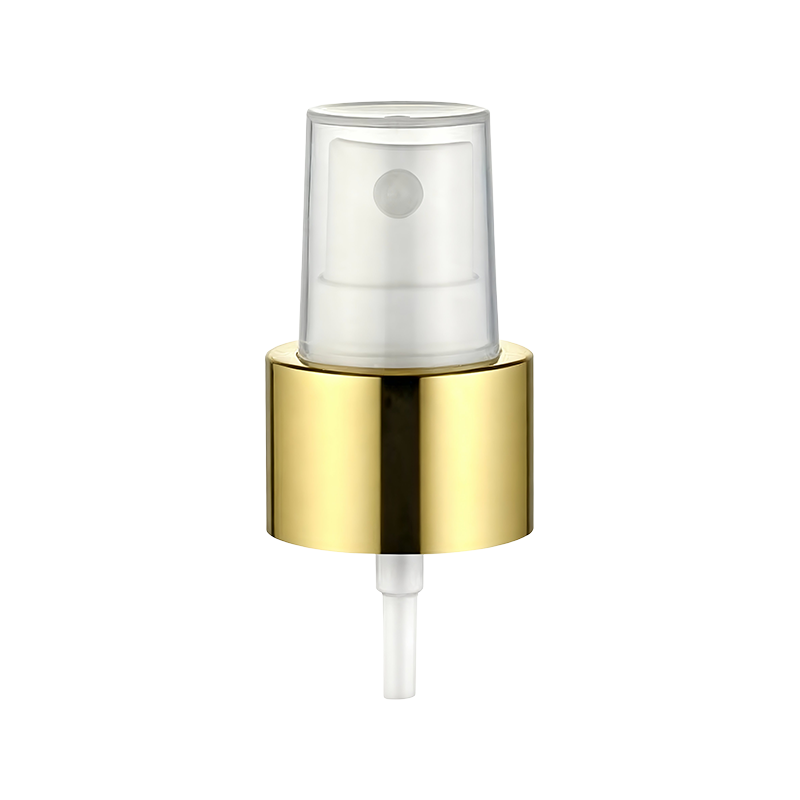
A fine mist sprayer consists of several integrated components: an actuator (pump head), a pump body with a piston mechanism, a dip tube, a closure collar, and a nozzle orifice. When the actuator is pressed, the piston compresses liquid inside the pump cylinder and forces it through a precision-engineered nozzle at high velocity. As the liquid exits the narrow orifice, it undergoes mechanical atomization — breaking into thousands of microscopic droplets that form the characteristic fine mist cloud.
A one-way ball valve at the base of the pump cylinder prevents liquid from flowing back into the bottle, ensuring consistent output volume with every actuation. Most cosmetic-grade fine mist sprayers dispense between 0.10 mL and 0.18 mL per stroke — a dosage range specifically calibrated for facial and body care formulas that require controlled, non-wasteful delivery.
The dip tube extends to the bottom of the bottle to draw liquid efficiently. For travel-sized or inverted-use products, some fine mist sprayers are designed with a shorter dip tube or a 360-degree rotating dip tube to maintain function at any angle.
Types of Fine Mist Sprayers Used in Cosmetics
Not all fine mist sprayers are interchangeable. Cosmetic packaging developers typically choose from several formats depending on the formula type, target consumer, and product positioning.
Standard Pump Mist Sprayer
The most widely used format in cosmetics. A screw-on or snap-on collar attaches the pump to a standard bottle neck finish (18/415, 20/410, 24/410, or 28/410). Ideal for facial toners, essence mists, and hydrating sprays in bottles ranging from 30 mL to 300 mL. Compatible with water-based formulas containing alcohol, botanical extracts, and light actives.
Lotion Pump with Mist Nozzle
Designed for slightly more viscous formulations such as lightweight emulsion sprays or oil-infused mists. The wider inner channel accommodates liquids with viscosities up to 100 cP without sacrificing mist quality. Commonly used in hair care and body care ranges.
Airless Mist Sprayer
Airless mist sprayers use a bottom-mounted piston to push the formula upward rather than drawing it through a dip tube. This eliminates air exposure entirely, making them the preferred choice for oxidation-sensitive active ingredients such as vitamin C serums, retinol mists, and peptide formulas. They also achieve near-complete product evacuation, with less than 1% formula left unused.
Continuous Spray (Bag-on-Valve) Mist Sprayer
In BOV systems, the formula is sealed in an inner bag pressurized by compressed air or nitrogen. Pressing the valve releases a continuous, even mist from any angle — including upside down. BOV sprayers are popular in sunscreen sprays, after-sun mists, and travel-format body mists where portability and ease of application are key selling points.
Nasal and Oral Mist Sprayers
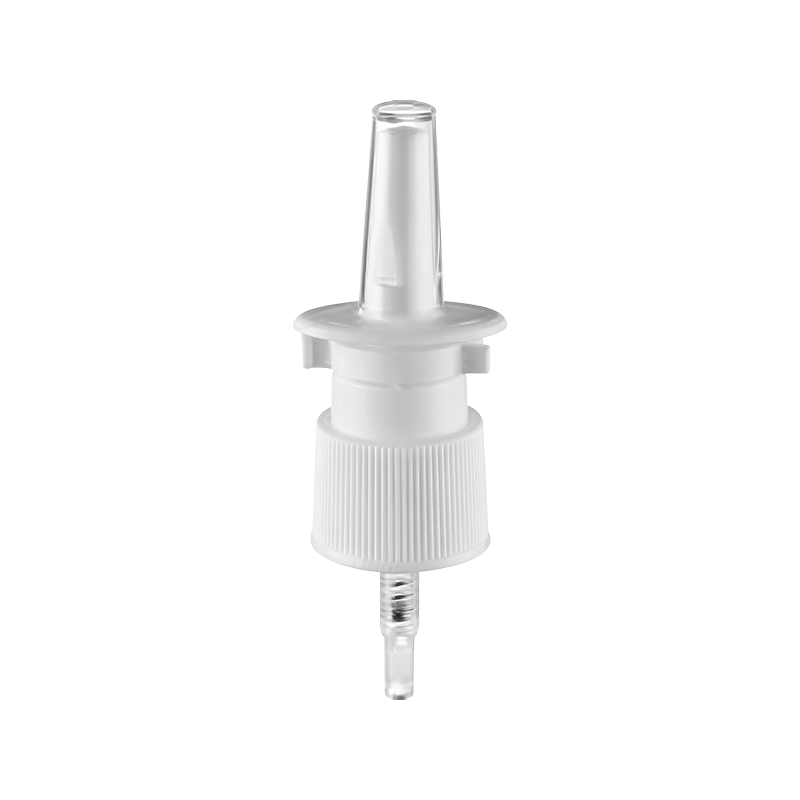
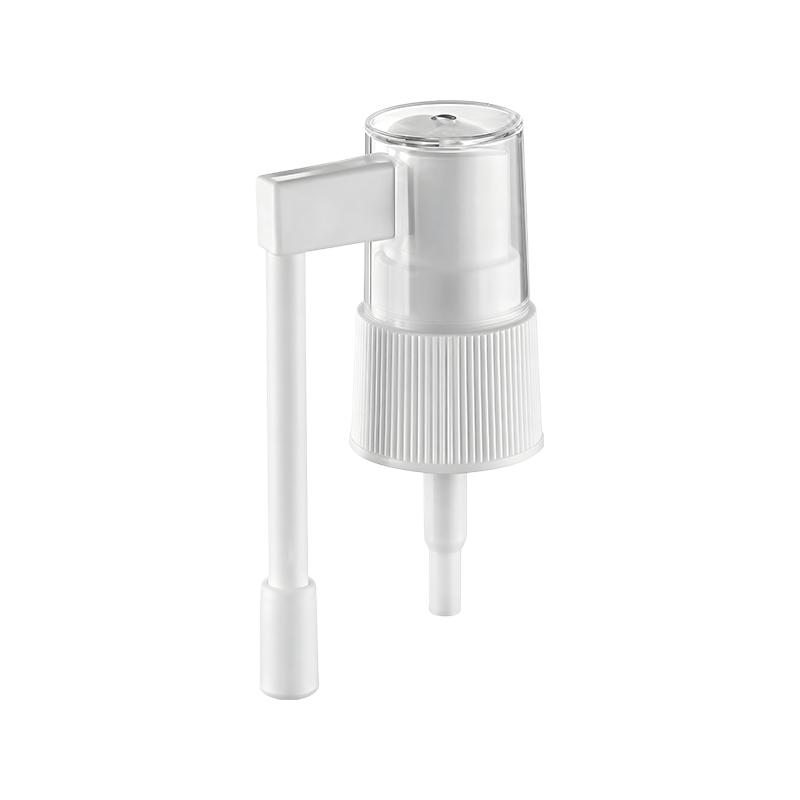
Used in cosmeceutical and personal care crossover products, these metered-dose sprayers dispense a highly controlled volume (commonly 0.10 mL or 0.14 mL per actuation) through a narrow nozzle designed for mucosal or oral contact. They must meet stricter cleanliness and material compliance standards.
Key Performance Specifications for Cosmetic Fine Mist Sprayers
When specifying a fine mist sprayer for a cosmetic product, the following parameters directly determine consumer experience and formula compatibility. Packaging buyers should request confirmed test data for each specification from their supplier.
| Specification | Typical Range (Cosmetic Grade) | Impact on Product |
|---|---|---|
| Output per actuation | 0.10 – 0.18 mL | Dosage control and product economy |
| Droplet size (D50) | 30 – 80 microns | Mist fineness and skin feel |
| Spray cone angle | 60° – 90° | Coverage area and even distribution |
| Actuation force | 10 – 25 N | Ease of use and consumer comfort |
| Neck finish compatibility | 18/415, 20/410, 24/410, 28/410 | Fitment accuracy and leak prevention |
| Cycle life (pump durability) | ≥ 30,000 actuations | Long-term reliability and shelf life |
Matching the Right Fine Mist Sprayer to Your Cosmetic Formula
The most common packaging failure in cosmetic mist products comes from a mismatch between the sprayer specification and the formula's physical properties. Before finalizing packaging selection, assess the following:
Formula Viscosity
Standard fine mist pumps perform reliably with formulas below 50 cP (centipoise) — this covers most toners, facial mists, setting sprays, and aqueous serums. Formulas between 50–150 cP (light emulsions, oil-water blends) require a pump with an enlarged orifice or a higher-pressure spring mechanism. Formulas above 200 cP are generally not suitable for fine mist delivery without significant reformulation.
Alcohol and Solvent Content
Many cosmetic mist formulas — particularly setting sprays and perfumes — contain 15% to 70% alcohol. Not all pump components are compatible with high alcohol concentrations. Verify that all wetted parts (gaskets, seals, dip tube, piston) are made from alcohol-resistant materials such as HDPE, LDPE, or specific grades of polypropylene. Nitrile and natural rubber seals will degrade rapidly in high-alcohol environments.
Preservation and Contamination Risk
Standard pump sprayers draw air back into the bottle after each actuation, which can introduce microbial contamination over time. For preservative-free, natural, or minimally preserved formulas, specifying an airless sprayer or a one-way valve system that prevents air ingress is strongly recommended to maintain formula integrity throughout the product's shelf life.
Particulates and Suspended Actives
Formulas containing undissolved particles — such as mineral sunscreens, glitter pigments, or plant-derived powders — risk clogging the fine nozzle orifice. In these cases, a wider orifice nozzle or a trigger-style mist sprayer with a higher-flow nozzle should be evaluated. Alternatively, reformulating the suspended actives into a fully solubilized or nano-emulsified form preserves fine mist functionality.
Material and Sustainability Considerations for Cosmetic Brands
As sustainability becomes a defining factor in cosmetic packaging procurement, fine mist sprayer material choices are under increasing scrutiny from both regulators and consumers.
- Mono-material PP sprayers: Constructed entirely from polypropylene — including the spring — these sprayers are fully recyclable in standard PP recycling streams, eliminating the need to disassemble before disposal.
- PCR (Post-Consumer Recycled) content: Sprayers incorporating 20%–50% recycled PP or PE resin reduce the carbon footprint of packaging without compromising mechanical performance, provided the recycled resin meets food/cosmetic contact grade standards.
- Refillable sprayer systems: Brands launching refillable cosmetic mist formats require sprayers tested for extended cycle life (≥ 50,000 actuations) and resistance to repeated disassembly and reassembly without seal degradation.
- Biobased materials: Sprayer components produced from plant-derived polymers (such as bio-PP derived from sugarcane) are available for brands seeking carbon-neutral packaging claims, though current supply remains limited at scale.
Regardless of material choice, all cosmetic fine mist sprayers should comply with EU Cosmetics Regulation 1223/2009 and relevant national packaging regulations in target markets, including material safety requirements, heavy metal restrictions, and labeling guidelines.
What Cosmetic Buyers Should Ask Their Sprayer Supplier
When sourcing fine mist sprayers for a cosmetic product launch, requesting the following documentation and samples from your supplier ensures the packaging performs reliably at scale:
- Compatibility test report — confirming the sprayer has been tested with your specific formula (or a comparable formula) for leakage, clogging, and output consistency over time.
- Material safety data sheets (MSDS) — for all wetted components, confirming compliance with cosmetic packaging material standards in your target markets.
- Drop test and transport stability data — validating that the locked pump mechanism prevents leakage during shipping and retail handling.
- Actuation cycle life data — confirming the pump maintains consistent output beyond 30,000 actuations under standard testing conditions.
- OEM and customization capabilities — including available actuator colors, finishes (matte, gloss, metallic coating), and custom nozzle orifice sizes if your formula requires a non-standard output.
Conclusion
A fine mist sprayer is one of the most specification-sensitive components in cosmetic packaging. Its performance — measured in droplet size, output consistency, formula compatibility, and material durability — directly shapes how consumers experience the product at the moment of application. Selecting the wrong sprayer for a cosmetic formula can result in poor mist quality, formula degradation, clogging, or packaging failure in the field, all of which carry significant cost and reputational implications for a brand.
For cosmetic brands and packaging buyers, the best outcome comes from early collaboration with a sprayer manufacturer that offers formula compatibility testing, customization support, and transparent technical documentation. Aligning packaging specifications with your formula's physical properties and your brand's sustainability commitments from the earliest stage of product development ensures a smoother launch and a more consistent consumer experience.
-
What Is Perfume Spray? How Atomizers Work, Mist Types and Packaging Basics
Press the actuator on a fragrance bottle once and a metered dose of liquid, usually between 0.05 an...
-
What Is a Lipstick Applicator? How the Mechanism Works
What Is a Lipstick Applicator? The Direct Answer A lipstick applicator is the internal mechanical c...
-
Spray Bottles Explained: Choosing the Right Fine Mist Sprayer
What Makes a Good Spray Bottle A good spray bottle depends almost entirely on the quality of its pu...
-
Misting Spray Bottle Guide: How a Fine Mist Sprayer Works
Quick Answer: What Makes a Misting Spray Bottle Work Well A misting spray bottle performs well when...
Copyright © GreenYard Tools Co.,ltd. All Rights Reserved.
Personal Care Packaging Manufacturer Custom Perfume Sprayers Factory