
-
About Us
Why Choose Us?The company possesses advanced capabilities in mold design, injection molding, and automated assembly, supported by a professional quality inspection team to ensure product reliability. A dedicated design team continuously drives product innovation, providing customers with high-quality spray solutions.
 Coming From China, Marketing To The World.
 -
Products
-
News
 English
 Français
 русский
 Español
Spray Bottles Explained: Choosing the Right Fine Mist Sprayer
Content
- 1 What Makes a Good Spray Bottle
- 2 How a Fine Mist Sprayer Actually Works
- 3 Matching Spray Bottle Types to Their Best Use Case
- 4 Key Specifications That Affect Sprayer Performance
- 5 Common Industries Relying on Fine Mist Sprayer Technology
- 6 Manufacturing Quality Behind a Reliable Spray Bottle
- 7 Maintaining and Troubleshooting a Spray Bottle
- 8 Choosing the Right Spray Bottle for Your Product
What Makes a Good Spray Bottle
A good spray bottle depends almost entirely on the quality of its pump mechanism, and for most liquid applications, a Fine Mist Sprayer is the component that determines whether a bottle delivers a smooth, even mist or an inconsistent, dripping spray. The bottle itself, whether glass, PET, or aluminum, is mainly a reservoir; the real engineering happens inside the sprayer head, where a spring-loaded piston, dip tube, and precision nozzle work together to atomize liquid into fine droplets on every press.
Because spray bottles are used across such a wide range of products, from facial toners to household cleaners to plant misters, the sprayer mechanism must be matched to the liquid's viscosity, the bottle's neck size, and the intended output volume. Choosing the wrong Fine Mist Sprayer for a given formula is one of the most common reasons a spray bottle underperforms, clogs, or produces uneven coverage.
How a Fine Mist Sprayer Actually Works
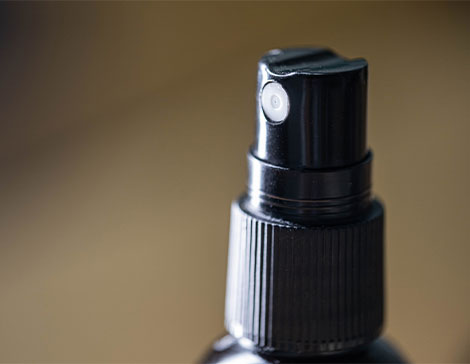
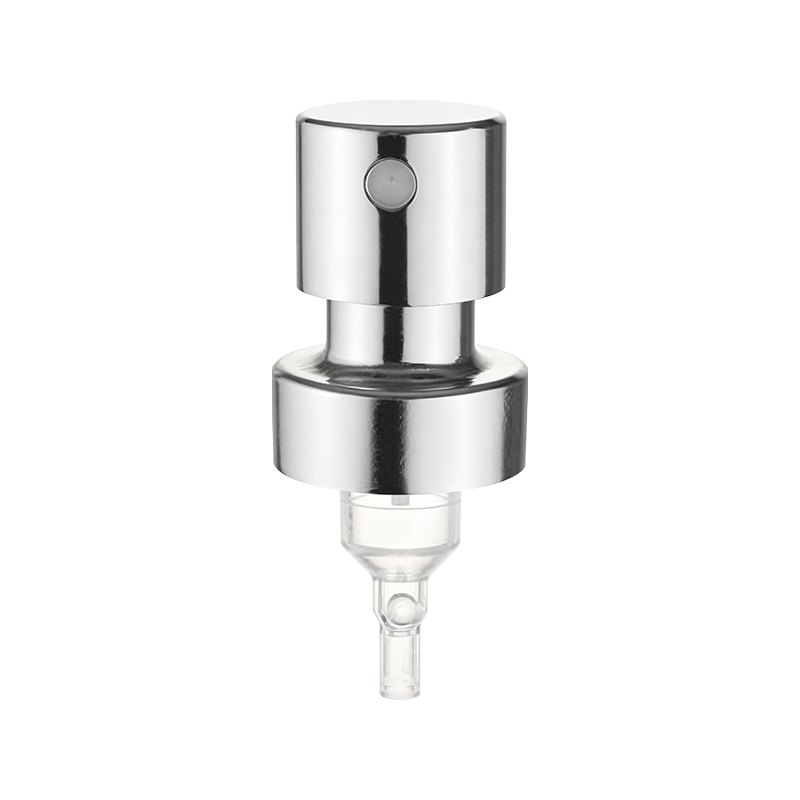
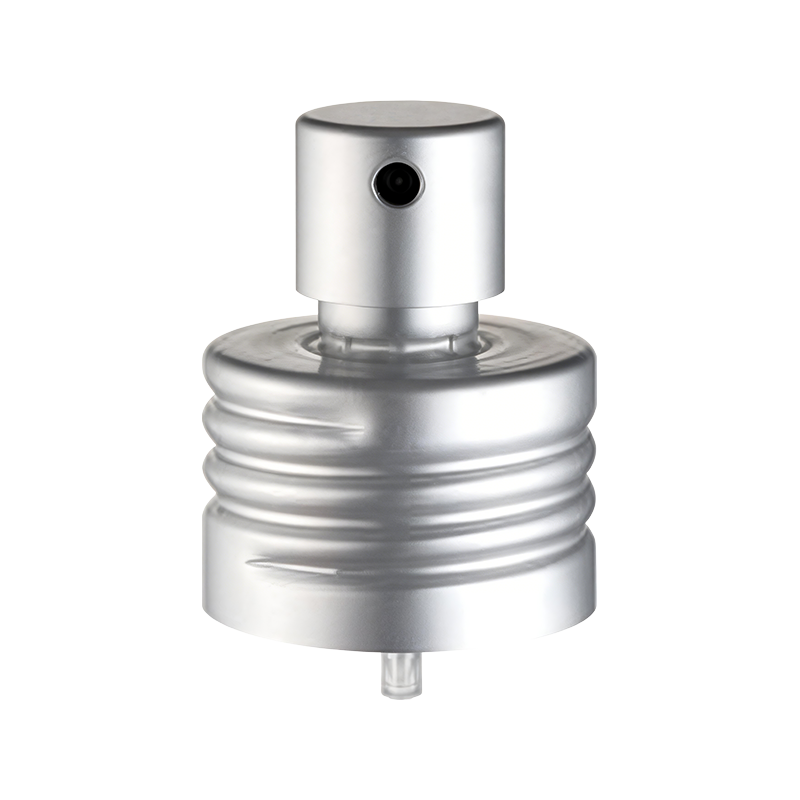
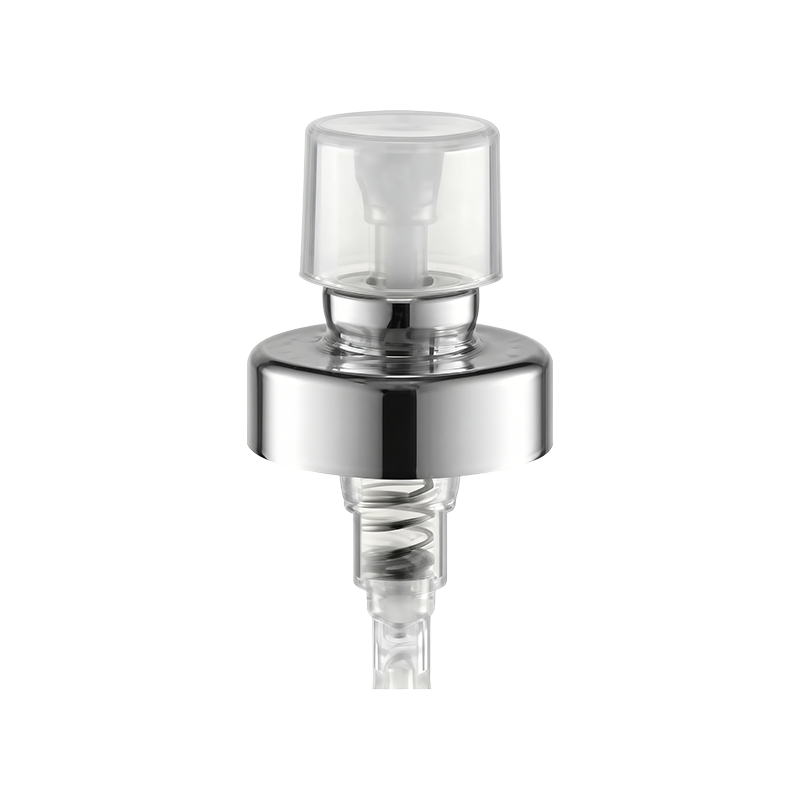
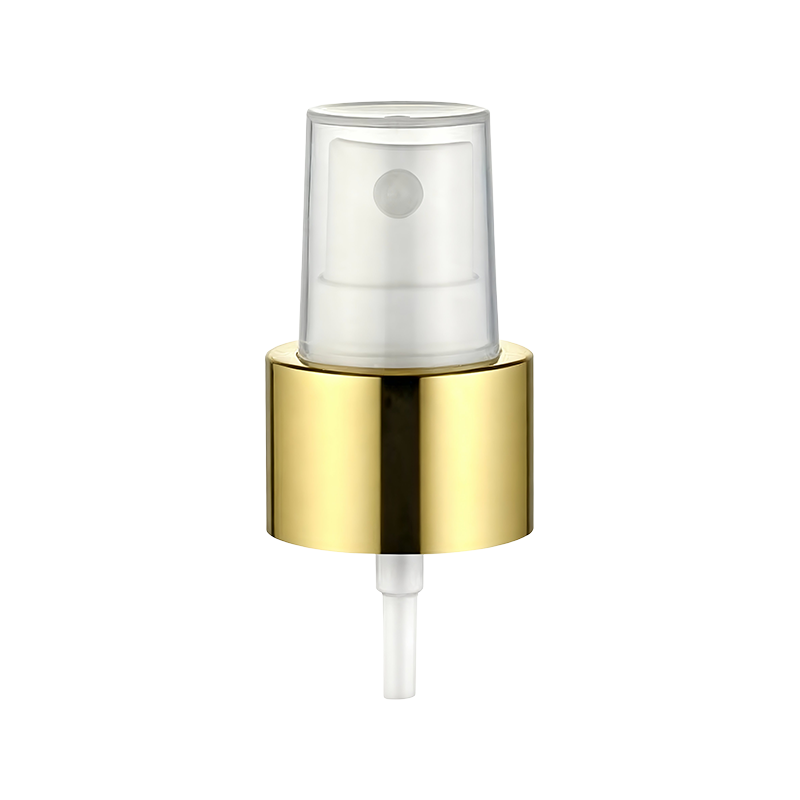
A Fine Mist Sprayer, sometimes called a finger sprayer, mist pump, or atomizer, converts liquid into a fine airborne mist through a mechanical pumping action rather than propellant gas. Understanding the internal components helps explain why sprayer quality varies so much between products.
Core Components of a Mist Sprayer
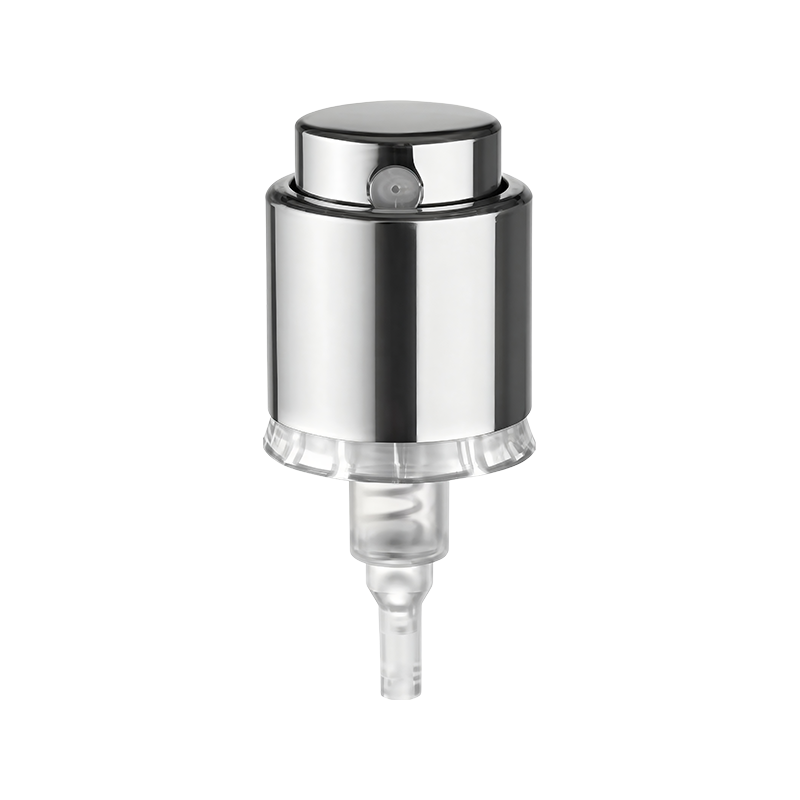
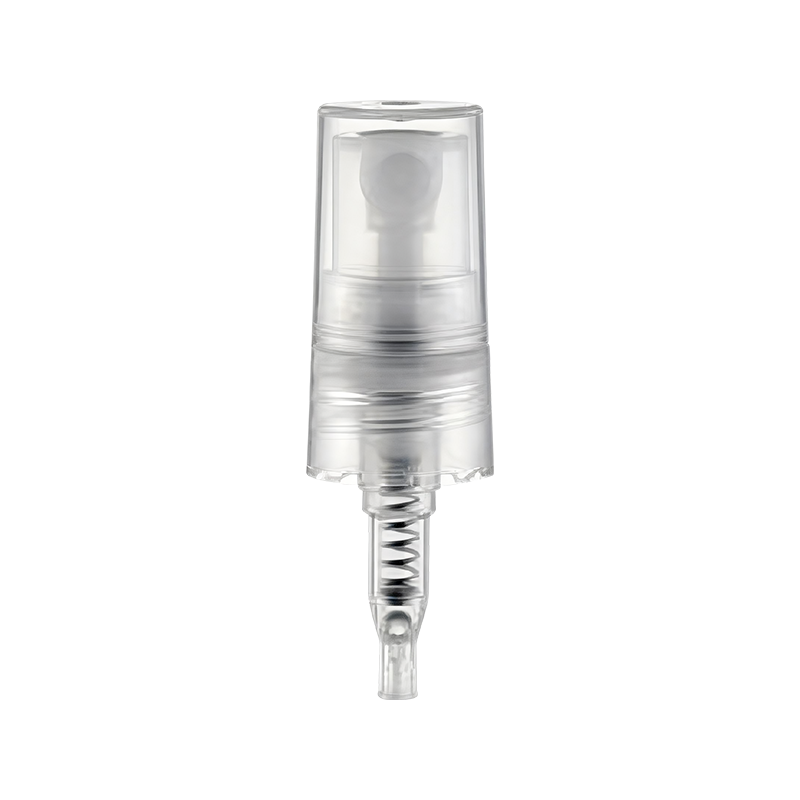
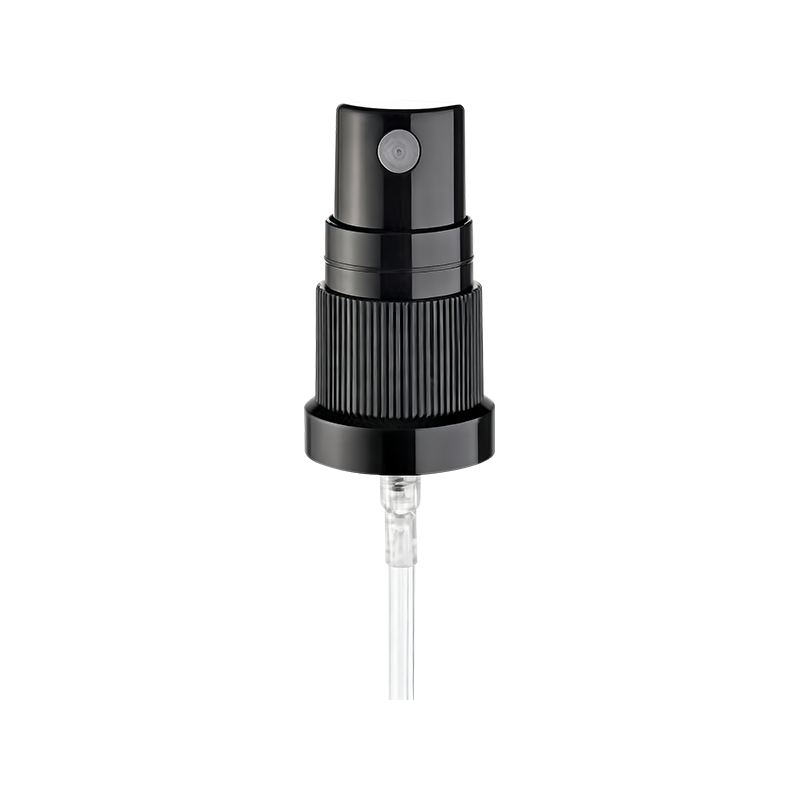
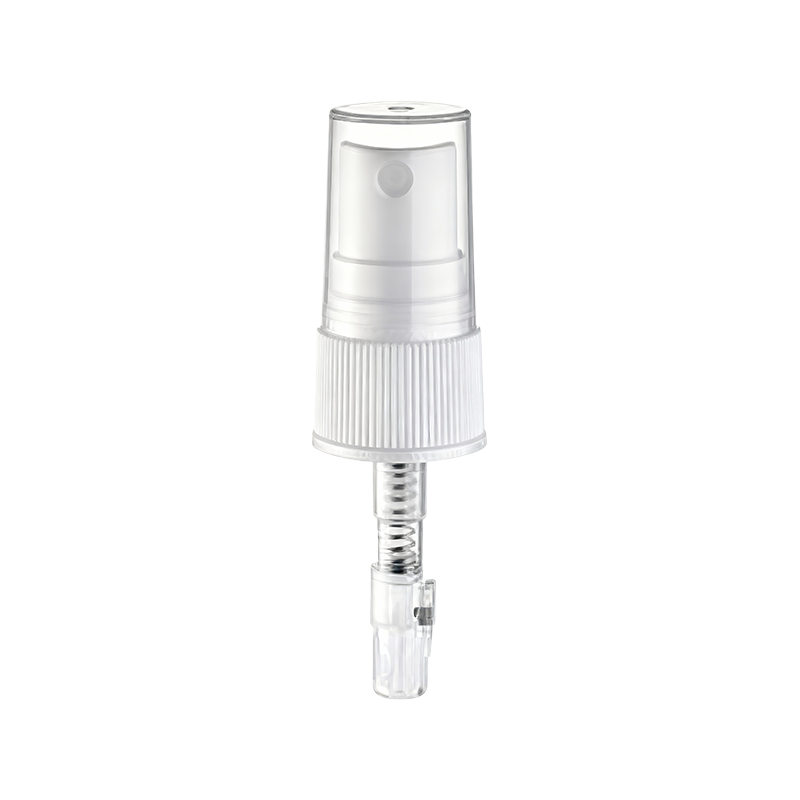
- Actuator: the finger-pressed button on top that houses the spray nozzle and directs the mist outward.
- Closure and gasket: the cap that screws onto the bottle neck, sealed to prevent leakage between pumps.
- Spring and piston assembly: creates the pressure that pushes liquid through the nozzle when the actuator is pressed.
- Dip tube: extends from the pump down into the bottle, drawing liquid up from the base regardless of bottle height.
The nozzle orifice size, often well under one millimeter, is what ultimately determines droplet fineness, and a well-machined Fine Mist Sprayer produces consistent droplet size across hundreds or thousands of actuations, which is essential for even coverage on skin, hair, plants, or surfaces.
Matching Spray Bottle Types to Their Best Use Case
Not every spray bottle needs the same style of pump. Trigger sprayers, fine mist sprayers, foamer pumps, and lotion pumps are all built for different liquid viscosities and output patterns, and picking the right category avoids performance problems down the line.
| Pump Type | Liquid Suitability | Typical Application |
|---|---|---|
| Fine Mist Sprayer | Low to medium viscosity | Toners, hair sprays, room mists, plant misting |
| Trigger Sprayer | Low to high viscosity | Household cleaners, larger volume outputs |
| Foamer Pump | Diluted surfactant blends | Hand soap, facial cleansers |
| Lotion Pump | Medium to high viscosity | Lotions, creams, thicker serums |
For products that need a light, even, fast-drying application, a Fine Mist Sprayer remains the preferred choice over a trigger sprayer, since its smaller droplet size prevents the pooling or oversaturation that heavier trigger mechanisms can cause on skin, hair, or delicate plant leaves.
Key Specifications That Affect Sprayer Performance
When sourcing or selecting spray bottles for a product line, several technical parameters determine whether the Fine Mist Sprayer will perform reliably across its full service life.
Specifications Worth Checking
- Neck finish size: common sizes include 18-410, 20-410, 20-415, and 24-410, and the sprayer must match the bottle's thread pattern exactly to prevent leaks.
- Dip tube length: cut to match the bottle's internal height so the tube reaches near the bottom without touching it, ensuring the sprayer can draw liquid until the container is nearly empty.
- Output per stroke: typically measured in milliliters, this determines how much liquid is dispensed with each actuation and should match the product's intended usage pattern.
- Material compatibility: sprayer gaskets and springs must resist chemical interaction with the formula, particularly important for alcohol-based or essential oil products.
Overlooking any one of these specifications is a frequent cause of product returns, since a mismatched dip tube or an incompatible gasket can cause a spray bottle to underperform even when the bottle and liquid formula are both high quality.
Common Industries Relying on Fine Mist Sprayer Technology
Fine Mist Sprayer components appear across a wide range of consumer and industrial product categories, each with slightly different performance priorities.
- Personal care and cosmetics: facial mists, setting sprays, and toners rely on ultra-fine droplets for even, comfortable application on skin.
- Home care and cleaning: multi-surface sprays and fabric fresheners use fine mist output to cover surfaces without over-wetting them.
- Gardening and plant care: houseplant and orchid misters depend on a gentle, even spray that avoids leaf spotting from oversized droplets.
- Pharmaceutical and compounding applications: precise, repeatable output volumes matter for topical formulations dispensed by spray.
Across all of these categories, the defining requirement is the same: a Fine Mist Sprayer must produce a consistent droplet size and output volume over the full life of the bottle, not just during the first few uses.
Manufacturing Quality Behind a Reliable Spray Bottle
The consistency of a spray bottle's performance is largely a function of how precisely its sprayer components are molded and assembled. Tight injection molding tolerances on the nozzle orifice, actuator, and piston housing directly determine whether every unit in a production batch sprays the same way.
Quality Factors That Support Consistent Output
- Precision mold design that keeps the nozzle orifice dimension consistent across every cavity in a production run.
- Automated assembly lines that reduce human-error variation in spring tension and gasket seating.
- Batch quality inspection that verifies spray pattern, output volume, and leak resistance before shipment.
- Material traceability from raw resin through finished component, supporting compliance with cosmetic and personal care packaging standards.
As a manufacturer focused specifically on spray product engineering, GreenYard Tools Co., Ltd. has specialized in this category for 16 years, producing Fine Mist Sprayer components alongside treatment pumps, lotion pumps, and caps for cosmetic and personal care packaging. The company operates under an ISO 9001 quality management system spanning raw materials through finished goods, with automation reaching roughly 90 percent of key processes and a reported batch qualification rate above 99.5 percent, supporting consistent spray performance across large production volumes.
Maintaining and Troubleshooting a Spray Bottle
Even a well-made Fine Mist Sprayer can lose performance over time if it is not maintained correctly, particularly when used with viscous, oily, or particulate-containing formulas that can gradually clog the nozzle.
Simple Steps to Keep a Sprayer Working Well
- Rinse the dip tube and nozzle with warm water when switching or discarding a formula to prevent residue buildup.
- Avoid storing spray bottles with essential oils in sprayers not rated for oil compatibility, since oils can degrade certain gasket materials over time.
- If the pump feels loose or sprays unevenly, check that the dip tube has not become dislodged or the spring has not lost tension.
- Store bottles upright to keep the dip tube fully submerged and ready to draw liquid on the next use.
Most clogging issues can be resolved simply by removing the actuator and rinsing the nozzle channel, since the fine orifice that creates the mist effect is also the component most prone to trapping dried residue.
Choosing the Right Spray Bottle for Your Product
The right spray bottle configuration depends on the formula's viscosity, the desired droplet size, the bottle's neck finish, and how the product will be used day to day. Brands developing a new product line should test their formula in the actual sprayer they intend to use, rather than assuming any standard fine mist pump will perform identically.
Questions to Guide Sprayer Selection
- Does the formula's viscosity fall within the range the Fine Mist Sprayer is rated to atomize effectively?
- Is the bottle's neck finish size confirmed to match the sprayer's thread specification exactly?
- Does the dip tube length correspond to the specific bottle height being used, including any bottle shoulder taper?
- Are the gasket and internal components chemically compatible with the formula's key ingredients?
A properly matched spray bottle and Fine Mist Sprayer combination delivers consistent, fine droplet coverage over thousands of actuations, which directly supports product performance, user satisfaction, and repeat purchases. Working with a manufacturer that offers thread compatibility guidance, dip tube customization, and documented batch quality testing helps brands avoid the packaging failures that most often trace back to a mismatched or poorly made sprayer component.
-
Misting Spray Bottle Guide: How a Fine Mist Sprayer Works
Quick Answer: What Makes a Misting Spray Bottle Work Well A misting spray bottle performs well when...
-
What Is a Fine Mist Sprayer?
A fine mist sprayer is a cosmetic packaging component designed to atomize liquid formulas into ultr...
-
The Secret to Perfect Skincare Dosing: Choosing the Right Dropper Bottle
The dropper bottle is one of the most familiar formats in skincare — and one of the most underestima...
-
Crimp Pumps Demystified: Choosing the Right Type and Material for Every Cosmetic Formula
Walk into any cosmetic filling facility and you will find crimp pumps on everything from a delicate ...
Copyright © GreenYard Tools Co.,ltd. All Rights Reserved.
Personal Care Packaging Manufacturer Custom Perfume Sprayers Factory