
-
About Us
Why Choose Us?The company possesses advanced capabilities in mold design, injection molding, and automated assembly, supported by a professional quality inspection team to ensure product reliability. A dedicated design team continuously drives product innovation, providing customers with high-quality spray solutions.
 Coming From China, Marketing To The World.
-
Products
-
News
 English
 Français
 русский
 Español
How Does Sustainable Packaging Help the Environment? Key Benefits Explained
Content
- 1 How Sustainable Packaging Reduces Impact Across the Full Lifecycle
- 2 Three Concrete Ways Sustainable Packaging Helps the Environment
- 3 Recyclability Is a Design Decision, Not a Material Afterthought
- 4 What Modern Pump and Container Design Can Contribute
- 5 Durability and Refill Formats Multiply the Benefit
- 6 A Practical Checklist for Packaging Buyers
- 7 The Bottom Line
Spec out a new lotion pump or mist sprayer, and the environmental impact is locked in before the first unit is molded. Sustainable packaging helps the environment in three measurable ways: it uses less material, it produces fewer carbon emissions during manufacturing and transport, and it keeps waste out of landfill by making packages easier to recycle, reuse, or refill. These benefits are not theoretical. They appear in component weight, in the percentage of recycled content, and in whether a finished package can pass through a standard recycling stream without disassembly.
For a mid-size personal care brand producing 10 million units a year, moving from a multi-material sprayer to an all-plastic recyclable pump can remove tens of tonnes of mixed waste from the recycling chain annually. Change a whole product range, and the cumulative saving in resin, energy, and transport fuel becomes one of the largest environmental contributions the brand can make outside its formulations.
How Sustainable Packaging Reduces Impact Across the Full Lifecycle
Environmental impact does not begin when a package is thrown away. It starts with resin production, continues through injection molding and assembly, follows the filled package through warehousing and shipping, and ends only when the last component is recycled or recovered. Sustainable packaging addresses every one of those stages.
- Material extraction: Recycled and renewable feedstocks reduce the demand for virgin oil and natural gas.
- Manufacturing: Lightweight part designs and efficient molding processes consume less energy per piece.
- Transport: Lighter, more compact packaging allows more units per pallet and per truck, cutting fuel and emissions per unit sold.
- Use: Precision dosing pumps, mist sprayers, and airless bottles reduce product overuse, so consumers finish the bottle instead of discarding it half-full.
- End-of-life: Mono-material and recyclable formats keep packaging in the circular economy instead of in landfill or oceans.
The US Environmental Protection Agency calls this approach Sustainable Materials Management: looking at the whole lifecycle rather than managing waste after it appears. For packaging buyers, that mindset changes the core question from "can this package be recycled?" to "how much environmental impact does this package create from cradle to grave?".
Three Concrete Ways Sustainable Packaging Helps the Environment
Not all eco-friendly claims deliver equal results. The most defensible benefits come from measurable changes in material, energy, and disposal outcomes.
| Impact category | Conventional packaging | Sustainable packaging |
|---|---|---|
| Material consumption | Virgin resins, multi-material layers | Recycled content, mono-material design |
| Carbon footprint | High process energy; heavier parts | Lower process energy; lighter parts |
| End of life | Hard to separate; landfill-bound | Recyclable or compostable in standard streams |
1. Fewer virgin materials are extracted
Recycled content directly displaces virgin plastic, and upcycled content keeps post-consumer material out of incinerators. A sprayer made with 50% recycled polypropylene uses half the virgin feedstock of an identical conventional part.
2. Carbon emissions fall across transport and processing
A 20% reduction in pump weight reduces the fuel needed to ship a truckload by roughly the same proportion. In an export order traveling from Asia to Europe or North America, lighter components translate into small but measurable CO2 savings per unit, multiplied across every container shipped.
3. Less waste reaches landfill and oceans
When a pump, closure, and bottle are made from the same polymer family, the whole unit can be recycled without consumer disassembly. This single design decision is one of the most powerful waste-reduction measures a brand can take.
Recyclability Is a Design Decision, Not a Material Afterthought
A package is only recyclable if sorting facilities can actually process it. Metal springs inside a plastic pump, mixed-material labels, and black pigments all disrupt automated sorting. This is why packaging engineers now evaluate designs against recyclability guidance from organizations such as the Association of Plastic Recyclers in the United States and RecyClass in Europe.
- Choose mono-material construction, or design parts that snap apart in seconds.
- Replace metal springs with all-plastic spring systems where output accuracy allows.
- Use pressure-sensitive or wash-off labels that do not contaminate the recycling stream.
- Avoid carbon-black pigments that optical sorters cannot detect.
These criteria matter most for dispensers because pumps and sprayers are the parts consumers rarely separate from bottles before recycling. An all-plastic mist sprayer that meets recyclability guidance converts a non-recyclable mixed package into a mono-material one.
What Modern Pump and Container Design Can Contribute
The best sustainable format fails if the dispensing system still contains non-recyclable components. That is why the most significant advances in personal care packaging are happening in the pump itself. All-plastic recyclable mist sprayers and eco-friendly spray pumps remove metal springs, reduce part counts, and use polymer families that fit existing recycling streams.
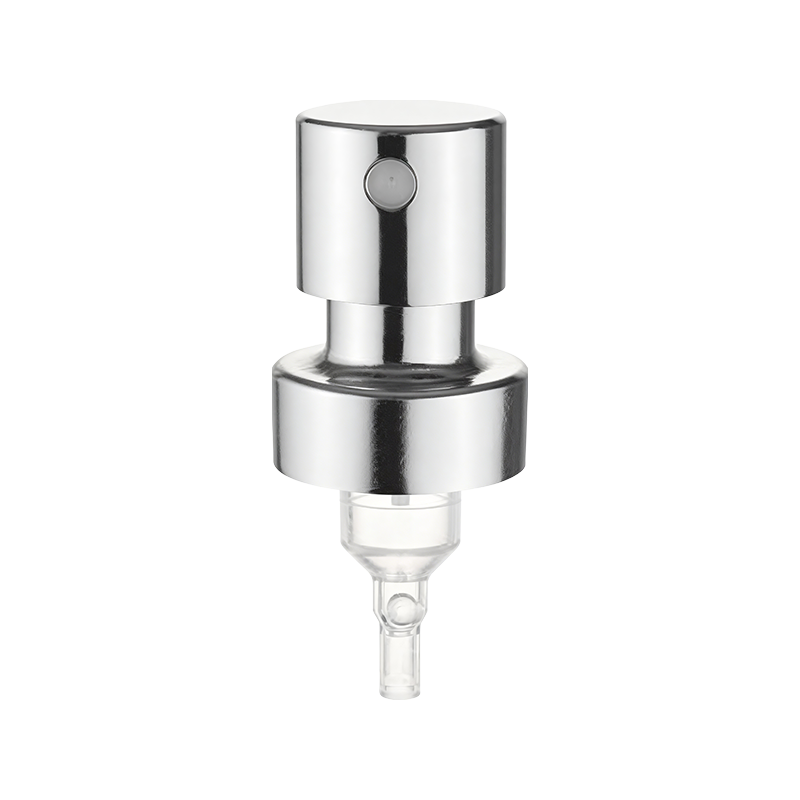
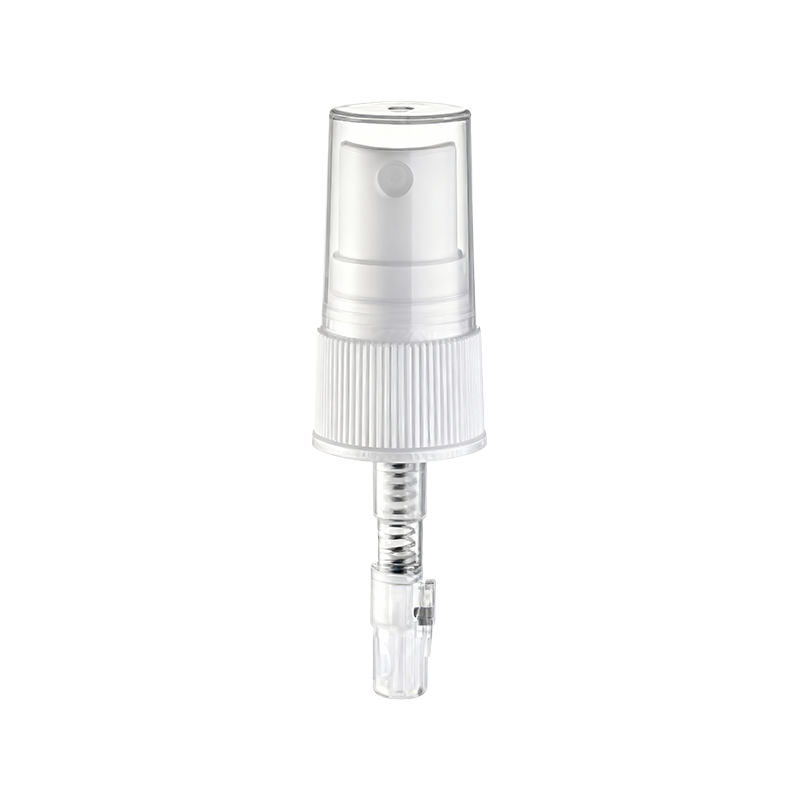
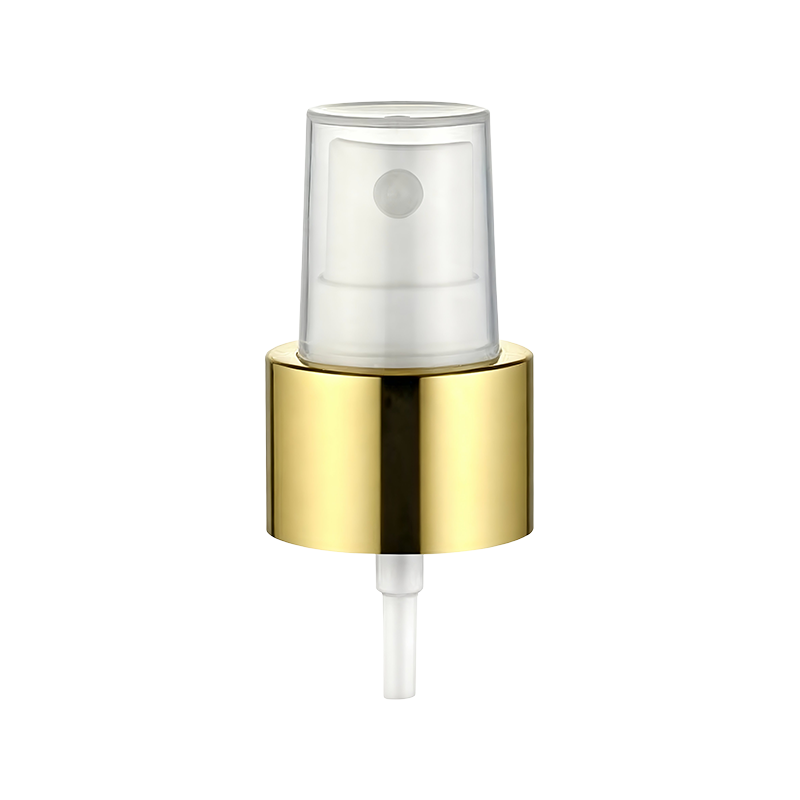
 0.12CC All-Plastic Recyclable Mist Sprayer for Eco-Friendly PackagingThis mist sprayer is made entirely of plastic without metal parts, so it can be recycled as a single material without disassembly. It delivers a fine 0.12ml mist and is suitable for perfume, personal care, and pharmacy bottles.View Product →
Take the 12cc all-plastic recyclable mist sprayer: a fully plastic construction with no metal payload, designed for bottles that share the same resin family. The consumer removes nothing, separates nothing, and places the entire bottle and sprayer into the recycling bin together.
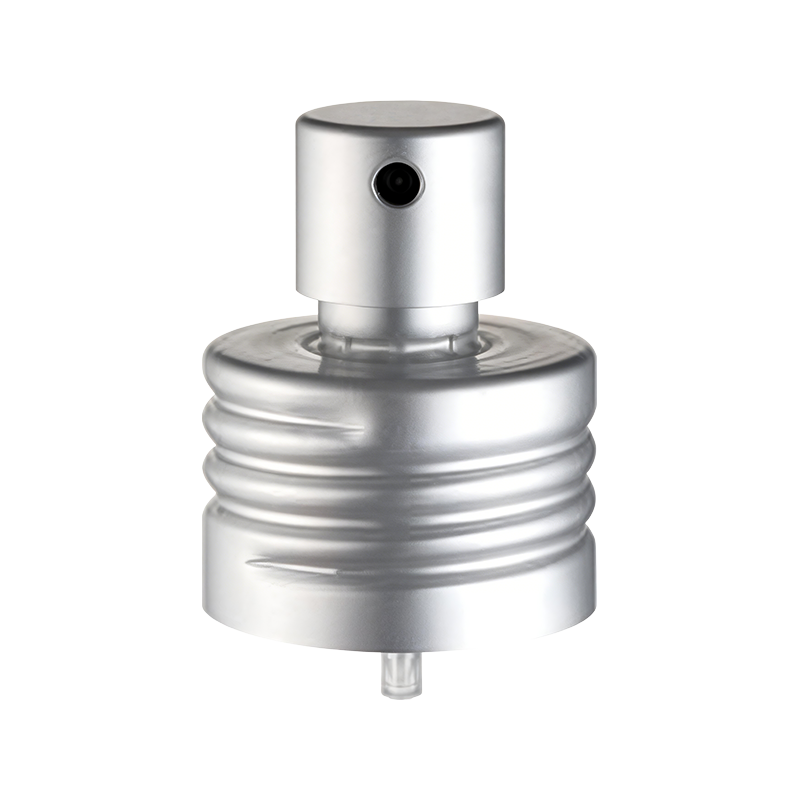
 0.12CC All-Plastic Eco-Friendly Fine Mist Spray PumpThis spray pump offers the same metal-free, mono-material construction as other sustainable dispensers. It provides a consistent fine mist for lotions, toners, and sanitizers while simplifying recycling and avoiding corrosion issues.View Product →
Eco-friendly all-plastic spray pumps follow the same logic. They deliver a fine, consistent mist, eliminate metallic corrosion issues, and simplify end-of-life sorting. For brands that sell lotions, toners, sanitizers, and hair-care products, switching to these formats makes the environmental benefit visible in the package itself.
Durability and Refill Formats Multiply the Benefit
Recyclability is only half the story. A package that is refilled several times avoids the manufacturing impact of producing a new container each time. Refillable and replaceable formats are among the most effective sustainable packaging strategies, particularly for skincare and premium personal care products.
 Plastic Refillable Airless Bottle with Replaceable Inner CartridgeAvailable in 15g, 30g, and 50g sizes, this airless bottle features a snap-on closure and a refillable design with replaceable inner cartridges. It protects oxygen-sensitive skincare formulas and reduces plastic waste for creams and facial care products.View Product →
Plastic airless bottles with replaceable inner chambers combine the two ideas: a durable outer bottle that stays in the consumer's hand, and a removable inner cartridge that can be recycled separately. Airless systems also protect oxygen-sensitive formulas so active ingredients remain effective until the last drop is dispensed.
Choosing the right airless bottle for your skincare formula affects more than visual appeal; it determines how much product the consumer actually uses. Airless bottles reliably deliver 98-99% of the formula, compared with significantly lower evacuation rates in some dip-tube packages. Less product waste means fewer raw materials consumed across the product's entire lifecycle.
A Practical Checklist for Packaging Buyers
Sustainable packaging is a procurement decision, and it asks for verification rather than assumptions. These are the checks our own clients run with us before approving a new pack.
- Request material data sheets showing the percentage of recycled content and the exact polymer composition.
- Confirm compatibility with recyclability guidance for your target markets, including EU and North American sorting streams.
- Test the pump on your filling line, at your target speed, before committing to high volumes.
- Calculate total cost including transport weight, waste-disposal fees, and future recycled-content mandates.
- Work with a supplier who designs for end-of-life, not only for shelf appeal.
Manufacturing capability matters as much as material choice. A supplier with in-house mold design, automated assembly, and ISO 9001 process discipline can deliver the same recyclable format consistently across millions of units, which is exactly what makes an environmental improvement measurable at scale. If you are reviewing your current packaging for recyclability, contact our packaging engineers to discuss component redesign, recycled-content options, and line compatibility.
The Bottom Line
Sustainable packaging does not help the environment in theory; it helps in tonnes of resin saved, megawatt-hours avoided, and percentages of waste diverted. The mechanisms are straightforward: use less material, cut the energy needed to make and move it, and design for recycling or reuse at the end of life.
For personal care and cosmetic brands, the biggest gains now sit in the components that consumers touch most - the pump, the sprayer, the closure, and the container. When those components are designed as a single recyclable system, the environment gets measurable help across every lifecycle stage. That is the difference sustainability makes when packaging is treated as an engineering discipline rather than a marketing claim.
-
How Glass Airless Bottle Packaging Prevents Contamination and Boosts Shelf Life?
Glass airless bottle packaging prevents contamination and extends shelf life by completely eliminat...
-
How the Treatment Cream Pump Enhances the Consumer Skincare Experience ?
A treatment cream pump does more than dispense product — it fundamentally shapes how consumers inte...
-
Best Skincare Packaging: How to Choose Bottles, Pumps & Jars That Last
The last time a skincare brand sent us a bottle to test, the cap looked premium but the pump leaked...
-
Aerosol vs Spray: Key Differences, Packaging Choices, and Practical Buying Tips
Two quotations land on a packaging buyer's desk. One is a pressurized aerosol can; the other is a m...
Copyright © GreenYard Tools Co.,ltd. All Rights Reserved.
Personal Care Packaging Manufacturer Custom Perfume Sprayers Factory