
-
About Us
Why Choose Us?The company possesses advanced capabilities in mold design, injection molding, and automated assembly, supported by a professional quality inspection team to ensure product reliability. A dedicated design team continuously drives product innovation, providing customers with high-quality spray solutions.
 Coming From China, Marketing To The World.
-
Products
-
News
 English
 Français
 русский
 Español
Best Skincare Packaging: How to Choose Bottles, Pumps & Jars That Last
Content
The last time a skincare brand sent us a bottle to test, the cap looked premium but the pump leaked after 200 strokes. That is the hidden side of packaging. The best skincare packaging is not a decoration; it is a reliability system that protects the formula, delivers a controlled dose, and keeps the brand feeling trustworthy.
This guide is written for product developers, packaging buyers, and founders who need clear selection criteria rather than one more inspiration gallery.
What Makes the Best Skincare Packaging Different
Visually striking packaging creates a first impression, but the real cost of a bad package shows up later: leakage in transit, oxidation of active ingredients, pump failure, or a jar that lets users dip their fingers into the formula.
- Formula protection: The package must limit oxygen, light, and microbial contamination.
- Dose accuracy: A lotion pump should deliver a repeatable dose, while an airless bottle should evacuate the product without leaving thick residue on the walls.
- Consumer usability: The cap should be easy to open, the spray should be fine, and the stick should not wobble.
- Brand consistency: Surface finish, colour, logo fit, and printing affect perceived value.
- Supplier reproducibility: The same pump must perform the same way across thousands of units.
Choose the Format by Formula and Use
There is no single best packaging for every skincare product. The right solution depends on viscosity, sensitivity to oxygen, dosage needs, and the consumer's habit.
| Skincare product type | Most reliable format | Why it works |
|---|---|---|
| Serums and facial oils | Airless pump bottle or dropper bottle | Small doses with an airtight seal; reduces waste and contamination. |
| Creams, lotions, and active moisturisers | Airless cream bottle or wide-mouth jar | Pump avoids direct skin contact; jars suit shorter shelf-life formulas. |
| Toners, hydrosols, and mists | Fine mist sprayer | Even, fine droplets without wetting the hands. |
| Cleansers and foaming wash products | Foam pump or lotion pump | One-stroke dispensing and hygienic, controlled output. |
| Sunscreens, balms, and solid sticks | Twist-up stick container | Mess-free application, portable, and easy to use without a spatula. |
If your formula contains vitamin C, retinol, or peptides, an airless pump bottle is usually the safest choice because it does not let outside air back into the product.
 Plastic Airless Serum Pump Bottle1. Volume Available: Available in 30g, 50g, and 75g, offering flexibility to cater to different packaging requirements and consumer preferences.View Product →
For oil-based serums, a dropper creates the ritual feel that consumers expect; for thicker creams, a wide-mouth jar or airless cream bottle matters more. The best skincare packaging starts with the formula, not the trend.
Airless and Dropper: The Two Workhorses of Skincare Packaging
Two formats carry most of the premium skincare category: airless systems and droppers. Both are available in plastic and glass configurations, but the performance depends on the inner components.
Airless bottles
An airless bottle has a piston at the bottom that rises as the product is dispensed. This design reduces the amount of air entering the reservoir, which is critical for oxygen-sensitive actives. This is why airless bottles are recommended for skincare preservation.
When you evaluate an airless pump, ask for the output per stroke, piston travel, and the percentage of product that can be evacuated. A good airless bottle should evacuate more than 95% of the formula.
Droppers
Droppers remain the preferred format for facial oils, serums, and treatment liquids. The consumer can pick up exactly one to three drops, which suits low-dose products.
 Plastic Bottle Dropper1. Size options: Available in all sizes, this dropper is highly versatile, suitable for both mini bottles and full-size bottles, offering flexibility for various packa...View Product →
Look for a cap that seals well with the bottle neck, a bulb that does not react with oil-based formulas, and a pipette with a clear measurement. The most common complaints with droppers are loose caps, leaking bulbs, and broken pipettes.
Material, Recyclability, and Cost: How to Balance Them
Glass feels premium and has excellent chemical compatibility, but it is heavier, more fragile, and usually needs external caps and pumps to function. Engineering plastics give you lighter weight, lower shipping cost, and more design freedom for dispensing systems.
- PP and PETG jars work well for creams and solid balms and can be made impact-resistant.
- All-plastic spray pumps support recyclability goals while maintaining a fine mist pattern.
- Aluminium collars add a premium look, but they raise material cost.
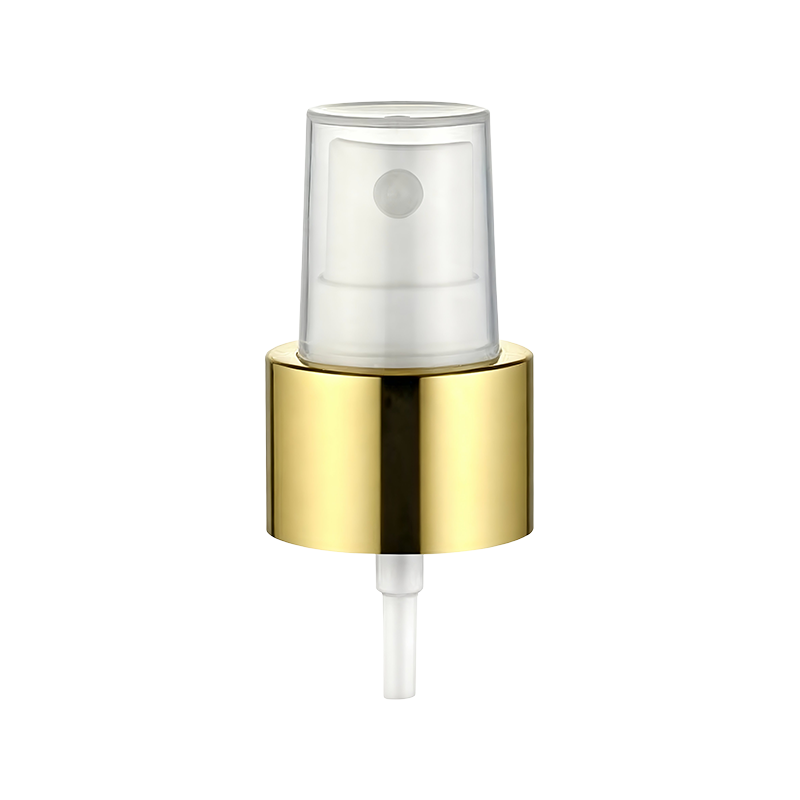
For hydrosols and toners, an all-plastic recyclable fine mist sprayer can lower packaging weight while still producing the spray quality customers expect.
 0.12CC All Plastic Recyclable Mist Sprayer1. The GY-608A 0.2CC All Plastic Recyclable Mist Sprayer is designed for eco-friendly fragrance, personal care, and pharmacy packaging, combining sustainable materials...View Product →
Sustainable packaging only works if it does not compromise sealing. Check whether the neck finish, gasket, and pump materials are compatible with your formulation; a recyclable pump that leaks creates more waste than a non-recyclable one that protects the product.
How to Evaluate a Skincare Packaging Supplier
The final decision should be based on evidence, not catalogues. A supplier that runs automated assembly lines, tests pumps with real product samples, and documents batch quality is more likely to deliver consistent packaging.
- Request samples with your actual formula, not water. Water has different viscosity and can hide pump leakage.
- Test under transport vibration and temperature changes. Packaging that only works on a desk is not ready.
- Check documentation for ISO 9001 or equivalent, incoming material inspection, and batch records. A batch pass rate above 99.5% is a realistic benchmark for automated packaging lines.
- Verify customization ability: can the supplier change the dosing volume, surface finish, colour, or locking mechanism?
- Confirm lead times and storage. For reordered pumps and bottles, consistency matters as much as speed.
At our factory, we see the best results when a brand shares the formula, the target dose, and the shelf-life expectation before choosing a pump. If you want to test a bottle, pump, or jar against your own product, contact our packaging team.
The best skincare packaging balances chemistry, usability, and supplier reliability. Start with the formula, then choose a format that keeps the product stable and easy to use, verify the sample with real testing, and work with a supplier that treats packaging as engineering, not decoration.
-
Airless Bottles Uncovered: How to Protect Your Skincare and Perfect Every Pump
If you have ever opened a pump bottle of serum and found the last quarter of the product impossible ...
-
What Is Perfume Spray? How Atomizers Work, Mist Types and Packaging Basics
Press the actuator on a fragrance bottle once and a metered dose of liquid, usually between 0.05 an...
-
How the Treatment Cream Pump Enhances the Consumer Skincare Experience ?
A treatment cream pump does more than dispense product — it fundamentally shapes how consumers inte...
-
How Glass Airless Bottle Packaging Prevents Contamination and Boosts Shelf Life?
Glass airless bottle packaging prevents contamination and extends shelf life by completely eliminat...
Copyright © GreenYard Tools Co.,ltd. All Rights Reserved.
Personal Care Packaging Manufacturer Custom Perfume Sprayers Factory