
-
About Us
Why Choose Us?The company possesses advanced capabilities in mold design, injection molding, and automated assembly, supported by a professional quality inspection team to ensure product reliability. A dedicated design team continuously drives product innovation, providing customers with high-quality spray solutions.
 Coming From China, Marketing To The World.
-
Products
-
News
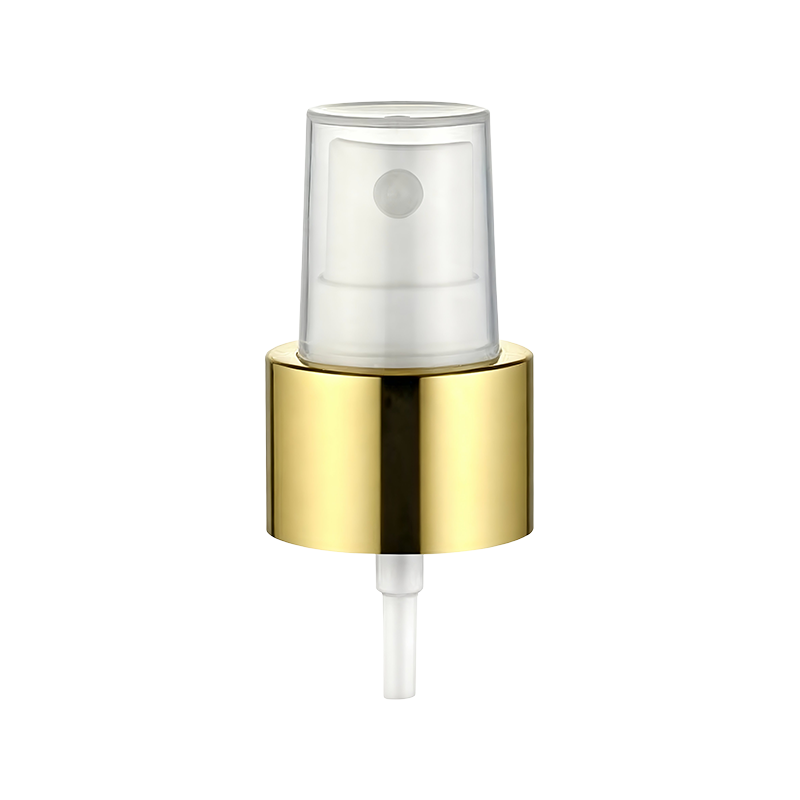
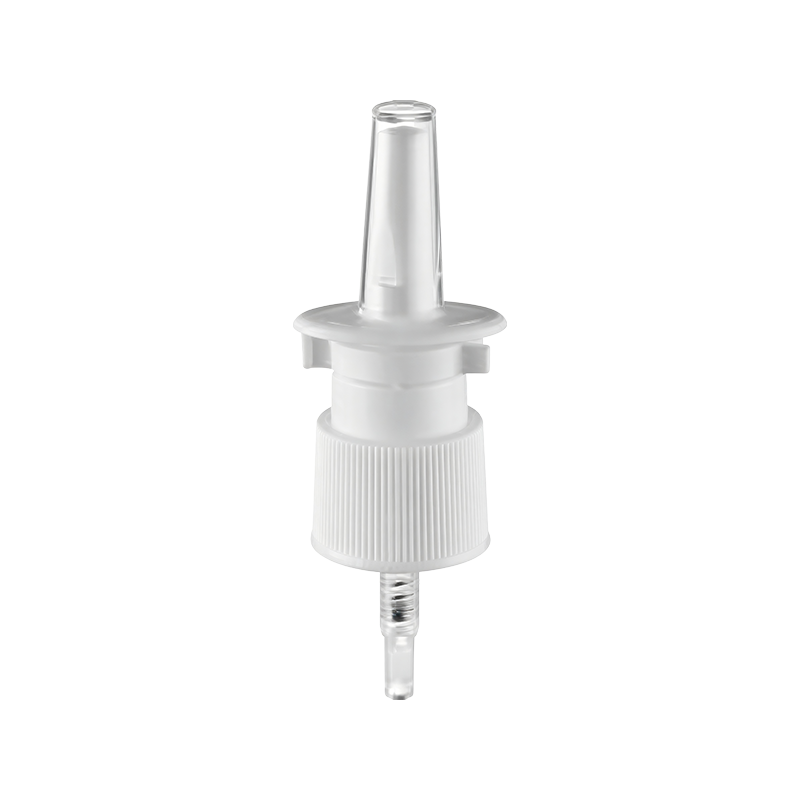
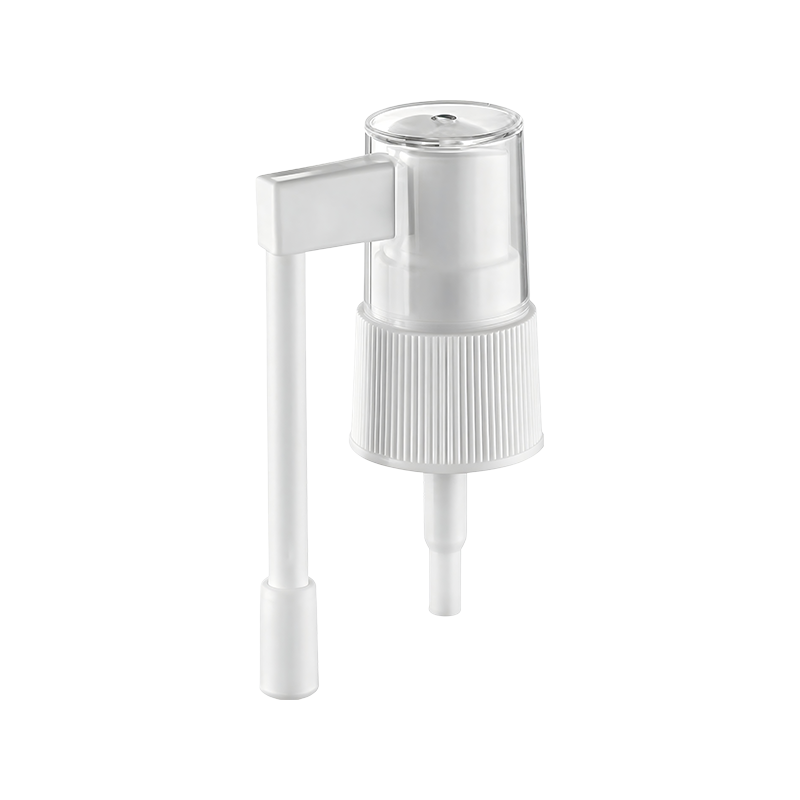
 English
 Français
 русский
 Español
Aluminum Cosmetic Packaging: Benefits, Types & Supplier Selection Guide
Content
- 1 Why Aluminum Changes Formula Stability
- 2 Aluminum Cosmetic Packaging Formats and Where Each One Fits
- 3 Compatibility Checks to Make Before You Commit
- 4 Density Trade-Offs: Weight, Shipping, and Shatter Resistance
- 5 Decoration and Branding Options for Aluminum Packaging
- 6 What to Verify When You Choose an Aluminum Packaging Supplier
Aluminum cosmetic packaging has moved out of the prestige-only aisle. Independent skincare labels and mid-size fragrance houses now specify it for the same reasons large brands do: it blocks light and oxygen, it does not shatter on a bathroom floor, and the material carries a tactile premium that plastic copies poorly. If you are sourcing it for a new stock-keeping unit (SKU), the first decision is not the color or the finish. It is the packaging format itself, because format determines formula compatibility, filling method, decoration options, and unit cost.
Why Aluminum Changes Formula Stability
The main reason brands move a hero product into an aluminum bottle is the barrier envelope. Aluminum is impermeable to oxygen, water vapor, and UV radiation, while a plastic bottle breathes and a clear glass bottle admits light. Because these three triggers cause most cosmetic degradation—retinoid oxidation, vitamin C browning, fragrance top-note loss—aluminum packaging reduces the need for heavy preservative loads and antioxidant cocktail compensation.
- UV-catalyzed degradation of retinol, vitamin C, and botanical extracts
- Oxidation driven by oxygen ingress through the neck and sidewall
- Moisture loss that thickens lotions and changes spray performance
- Odor pickup in warehouse storage and retail display lighting
But one qualification matters: the aluminum shell works only when the inner protective coating is correct. A bare aluminum surface is chemically active. Most cosmetic-grade aluminum bottles and tubes receive an internal lacquer or anodized layer that separates the formula from the metal. The result is a package that behaves as a cold, sterile vault for the product.
Aluminum Cosmetic Packaging Formats and Where Each One Fits
Aluminum is a material family, not a single package type. From a sourcing standpoint, the product splits into five functional formats, and each has a distinct role on a cosmetics shelf.
| Format | Typical fills | Main advantage | Main risk / check |
|---|---|---|---|
| One-piece aluminum bottle | Facial toner, essential oils, perfumes | Full light barrier, dent-proof body | Requires internal coating for water-based fills |
| Aluminum airless pump bottle | Serum, concentrated cream, treatment lotion | No air return; protects oxidizable actives | Higher unit cost than plastic airless |
| Aluminum crimp / thread spray pump | Perfume, body mist, setting spray | Fine atomization with a rigid, premium neck | Crimp height and bottle finish must match |
| Aluminum cap, disc, and collar | Closures on lotions, creams, roll-ons | Visual weight and easy embossing | May scratch; liner compatibility needed |
For treatment products that are sensitive to oxygen, the aluminium airless pump bottle is the most complete solution: an aluminum shell keeps every photon out, while a vacuum piston dispenser prevents ambient air from re-entering the chamber when the consumer pushes the pump.
 Aluminum Airless Serum Pump Bottle with Vacuum PistonThis aluminum airless pump bottle protects oxygen-sensitive treatments, offering sizes from 15 to 50g. Its screw-on closure and efficient dispensing suit creams and serums, making it a reliable choice for formulations requiring airtight packaging.View Product →
Compatibility Checks to Make Before You Commit
Formula compatibility is the difference between a packaging trial that passes and one that turns pink and smells like a chemistry set. Unlined aluminum corrodes in both acidic and alkaline conditions, and chloride ions from salts or gum systems can pit the surface even at neutral pH. That is why every serious supplier specifies an internal lacquer for water-based products and an anodized layer for solvent-based fills.
The pump is part of the compatibility question
Perfume and fine mist products add another variable: the pump. Alcohol and essential oils are aggressive to rubber gaskets and plastic ball valves, even though the aluminum body itself is comfortable with high-proof ethanol. When you evaluate a perfume atomizer, ask what elastomer the pump uses and whether it has been tested with 80% plus ethanol fills.
- Confirm the pH range and chloride content of the formula (most lacquers are rated for pH 3–10).
- Run a 7-day, 40°C stability test with sealed units, then open and inspect the inner wall for pitting.
- Check the elastomer compatibility of the gasket with high-ethanol or essential-oil formulations.
- Verify the pump dose volume against your application (0.5–1.0 ml for perfume, 1–2 ml for mist).
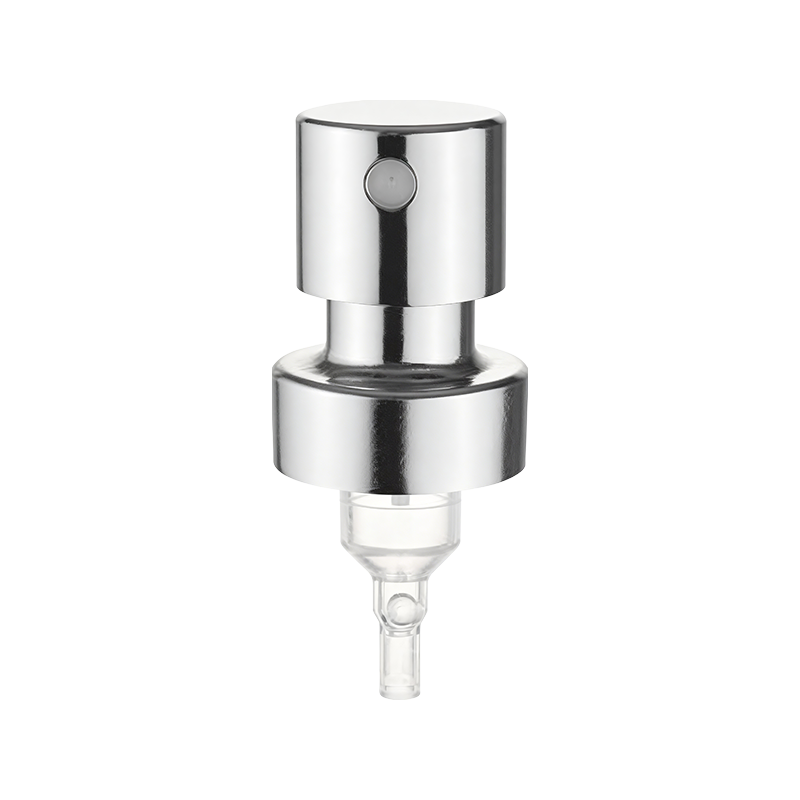
Two product families we produce in aluminum match these requirements well: the 06cc aluminium crimp-on perfume sprayer pump for concentrated fragrance oils in 6–10 ml formats, and the 12cc aluminium perfume mist sprayer for broader mist coverage. If you are choosing between crimp and thread closures, this guide on perfume crimp pumps explains the structural trade-offs and filling implications.
 0.06cc Aluminum Crimp-On Perfume Sprayer PumpDesigned for concentrated fragrance oils in small formats, this crimp-on sprayer delivers a precise fine mist. Available in 15, 18, and 20mm sizes, its secure seal and lightweight aluminum construction support efficient filling and reduced breakage.View Product →
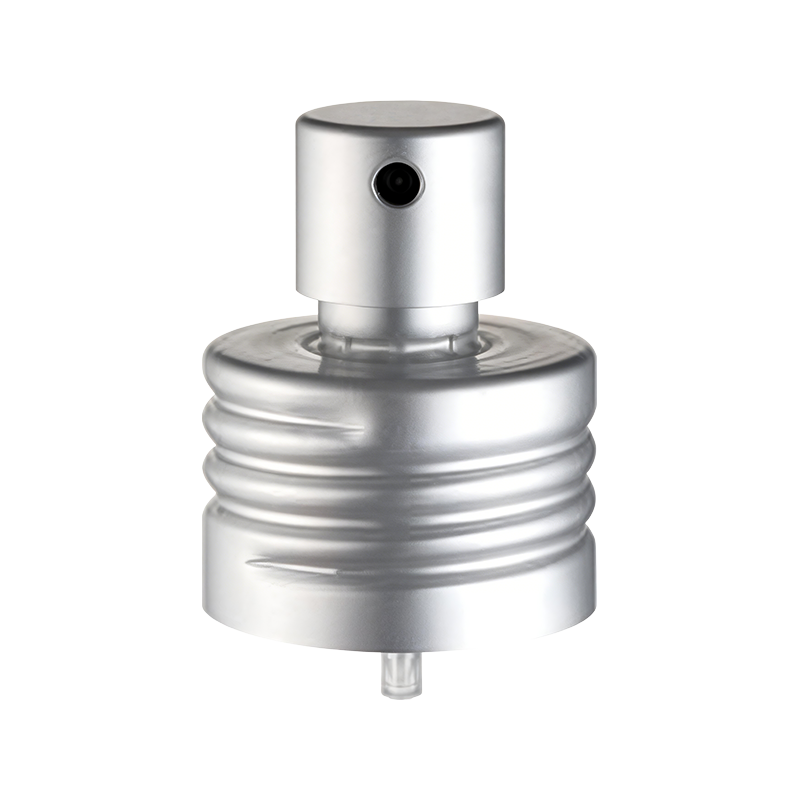
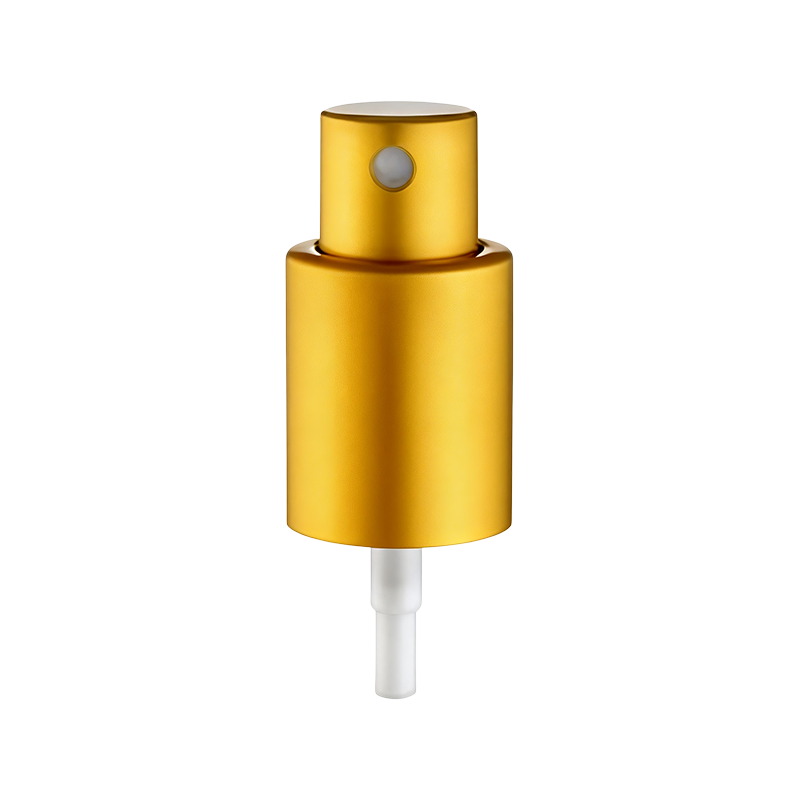 0.12cc Aluminum Perfume Mist Sprayer with Customizable Dip TubeThis premium sprayer provides a soft, even 0.12ml mist per spray. Its aluminum closure adds durability and luxury, while customizable dip tubes ensure compatibility across bottle shapes, suitable for perfumes, body mists, and hair care packaging.View Product →
Density Trade-Offs: Weight, Shipping, and Shatter Resistance
From an operational point of view, aluminum changes the logistics equation. A 50 ml extruded aluminum bottle weighs roughly 50 to 70 percent less than a glass bottle of the same capacity. That cuts packaging weight in a shipping carton, reduces breakage insurance claims, and lets filling lines run faster because there are no glass shards to manage in the capping section.
Aluminum is not shatterproof, but it behaves differently: on impact the wall dents instead of exploding. This matters for roll-on deodorants and treatment sticks that travel in handbags or gym kits.
| Material | Relative weight | Shatter risk | Light barrier | Oxygen barrier |
|---|---|---|---|---|
| Aluminum | Medium | Low (dents, no shatter) | 100% | 100% |
| Glass | High | High (shatters) | 0% (clear) | 100% |
| PET / HDPE plastic | Low | Very low | Partial | Partial |
Decoration and Branding Options for Aluminum Packaging
The decoration costs for aluminum are predictable, and most of them happen before filling, which means no label-shrinkage marks or wrinkled film labels. The options that work best on cosmetic packaging are:
- Anodizing, which creates a colored oxide layer that resists scratching and produces a matte or glossy metal finish.
- Powder coating or clear lacquer, applied over the outer body for a soft-touch or high-gloss tactile feel.
- Silk-screen and offset printing for brand logos, ingredient panels, and gradient designs; CMYK reproduction holds well on a smooth anodized surface.
- Debossing and hot-stamping, which create a dimensional logo that works with the reflective aluminum surface rather than fighting it.
The strategic point: aluminum tolerates aggressive design far better than thin-wall plastic. You can register a precise Pantone color, keep a metallic window, and still pass a 1-meter drop test after decoration.
What to Verify When You Choose an Aluminum Packaging Supplier
Because aluminum packaging is often a custom build rather than a stock item, the supplier's internal process matters as much as the packing list. We run mold design, plastic injection, aluminum body sourcing, and automated assembly in our own facility, which is why we can control the interface between the aluminum shell and the plastic pump or cap.
Five questions to ask before approving a first article
- What internal coating is applied, and what is the documented dry-film thickness?
- Which elastomer compound is used in the pump gasket, and does the supplier have compatibility data for ethanol or high-oil formulas?
- What are the batch-wise defect targets and is incoming quality inspection performed on every lot?
- What is the typical sample delivery time and how many revisions are included in the tooling charge?
- Does the supplier handle the complete assembly—pump insertion, cap torque, crimp height—so the finished package arrives functionally tested?
Our production data gives context: daily capacity reaches 1,000,000 pieces, automation covers more than 90 percent of the key processes, and batch pass rates have stayed above 99.5 percent. Those numbers matter because a defect in the crimp or the gasket will surface only after the bottle reaches the consumer.
To discuss a custom aluminum packaging project, send your drawing or target cost to our team and we will respond with a feasibility opinion within 12 hours.
Aluminum cosmetic packaging is a specification decision, not a decoration decision. Start with the formula's sensitivity to light, oxygen, and pH; then choose the format that matches the dose behavior your product needs; and finally audit the supplier's coating, pump, and assembly process so nothing degrades between the filling line and the consumer's shelf. When those three layers are correct, aluminum does what no other packaging system can do at the same price: it looks expensive, ships light, and keeps the chemistry inside safe.
-
Roll On Bottles: Types, Refill Guide, and Packaging Buying Tips for Your Brand
The first sample rolled smoothly, the second clicked, and the third leaked after ten presses. Three...
-
Amber Plastic Bottles: Lightweight, Protective, Customizable Packaging for Cosmetics
You have spent months stabilizing a vitamin C serum, only to watch a pallet of amber glass bottles ...
-
Trigger Sprayer Guide: How It Works, Types & Buying Tips
What Is a Trigger Sprayer A trigger sprayer is a mechanical pump closure mounted on a bottle neck t...
-
What Is Perfume Spray? How Atomizers Work, Mist Types and Packaging Basics
Press the actuator on a fragrance bottle once and a metered dose of liquid, usually between 0.05 an...
Copyright © GreenYard Tools Co.,ltd. All Rights Reserved.
Personal Care Packaging Manufacturer Custom Perfume Sprayers Factory